
Written By Chloe Diehl
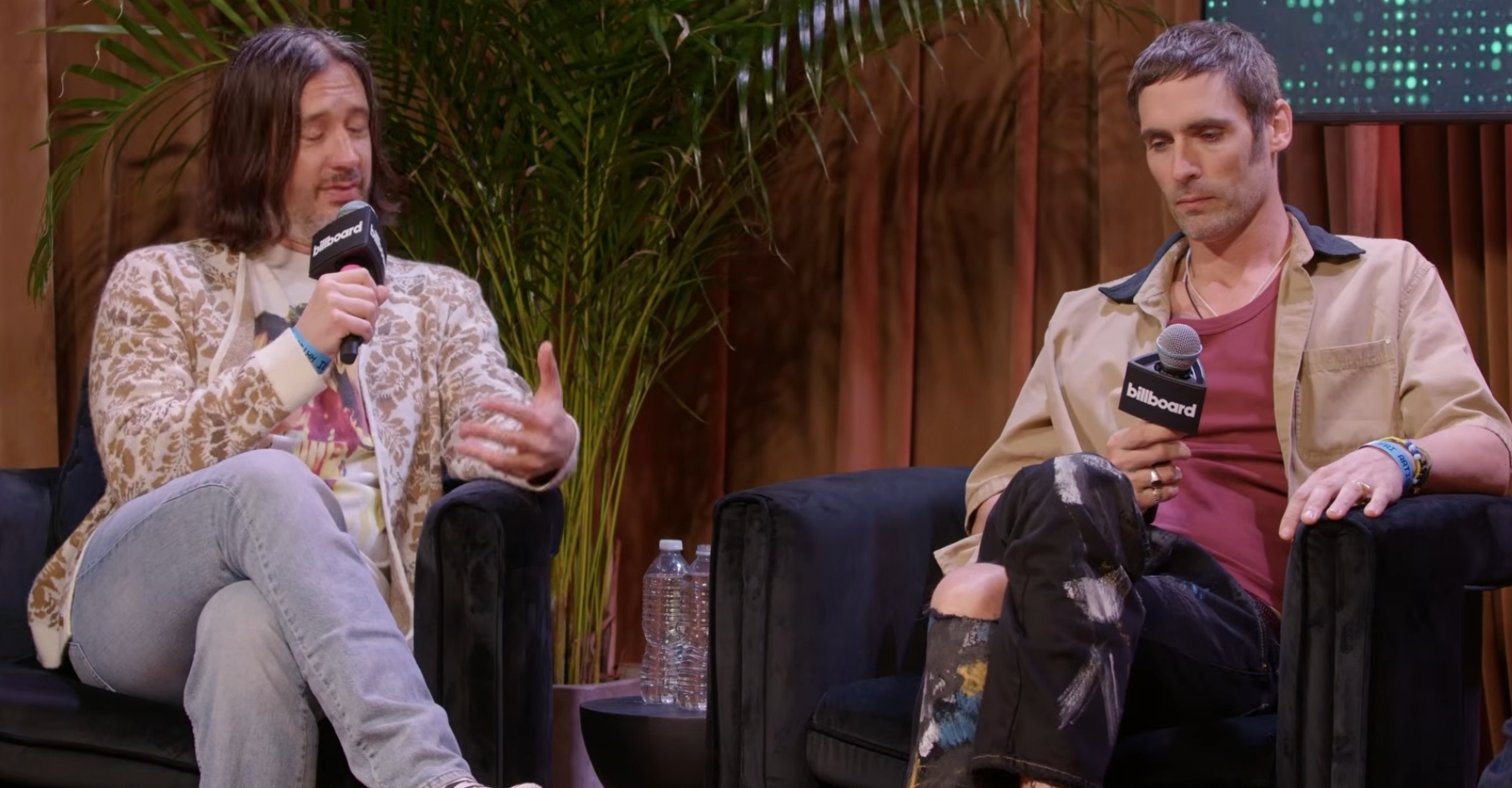
On my first day at SXSW, I attended a talk at the Mohawk hosted by Billboard, highlighting the All-American Rejects’ recent house-party tours and their new music releases following a 10-year hiatus. On the panel were lead singer Tyson Ritter and guitarist Nick Wheeler. It was the band’s first time attending SXSW, which is surprising, as they are truly an incredible case study in adapting to a changing industry like music.
The band has just returned from a 10-year hiatus after building the band for 10 years. In the past year of bringing the band back together and playing again, All-American Rejects have joined artists like the Jonas Brothers on their stadium tours and hosted backyard parties all around the country.
Ritter and Wheeler were asked which type of concert they prefer, their house parties or their stadium tours. They were quick to answer that their preference was their house parties. The energy they received from hosting these smaller backyard concerts generated more hype, which, as Wheeler stated, “fired up their engines”. In comparison, the stadium tours left the band feeling more detached from the audience they were trying to connect with, and the energy was lifeless.
When the band decided to come back from their hiatus and play again, their main objective was to make new music and rebrand themselves not as a sunsetting legacy group, but a continuing force. During that time, their manager, who had been a huge fan of their band even before working with them, suggested holding backyard concerts. This new suggested strategy brought them back to their core roots. All-American Rejects started in the quaint small town of Stillwater, Oklahoma. In their come-up, they would host their own shows in unassuming places like cornfields. Going back to a tried-and-true method gave the band more drive and meaning in their work. As Ritter stated, “Watching kids be elated at the house parties feels better than being in a stadium, and the audience is in the complete dark.”
They kicked off their house party tours with a pop-up in a quad at the University of Wisconsin. Social media posts about these pop-ups led to a resurgence of the All-American Rejects. While agencies questioned their approach, fans and businesses flooded the band’s Instagram with requests to play in their cities and have sponsorships support their pop-up concerts. As both Ritter and Wheeler perfectly defined their tour as a “DIY Rollercoaster”. They found an unconventional and scrappy approach that gave All-American Rejects a fresh new look, which, as Ritter nicknamed, “the people in the tall ivory tower” were too ignorant to understand.
The band became increasingly popular to the point that Ritter worked with one of his friends, an engineer, to create a map identifying third spaces for concerts and outlining core logistics, such as room capacity, inventory fees, and security. Through this software that they have now shared all called “playhouse.band”, they have created an outlet where artists and fans can have a show link for a smaller third-space concert venue. It also opens the door for thirdspace parties, as they used the example of a yoga studio that converts into a venue at night and shares the space with bands in the area. In this space, artists use third spaces without going through booking agents or getting into debt by playing on tours and in stadiums. Concerts, as they mentioned, have become a luxury; they want to change that.
What is incredibly interesting about the All-American Rejects is that they are an independent group. No agency or label supported them in making new music, and the band was frustrated by the constant nagging to do a 20-year anniversary tour for their older album. The band didn’t want to dip into it, as they stated: “the legacy ‘mothball’ tours,” and they were stubborn, refusing to attempt a project unless they were truly passionate about it. However, after hearing about their success with these house-party concerts in this talk, I think it is clear that their achievements warrant attention. Record labels and talent agencies, take notes.