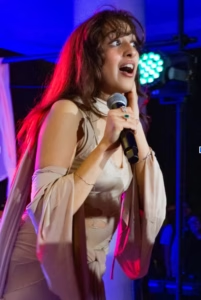
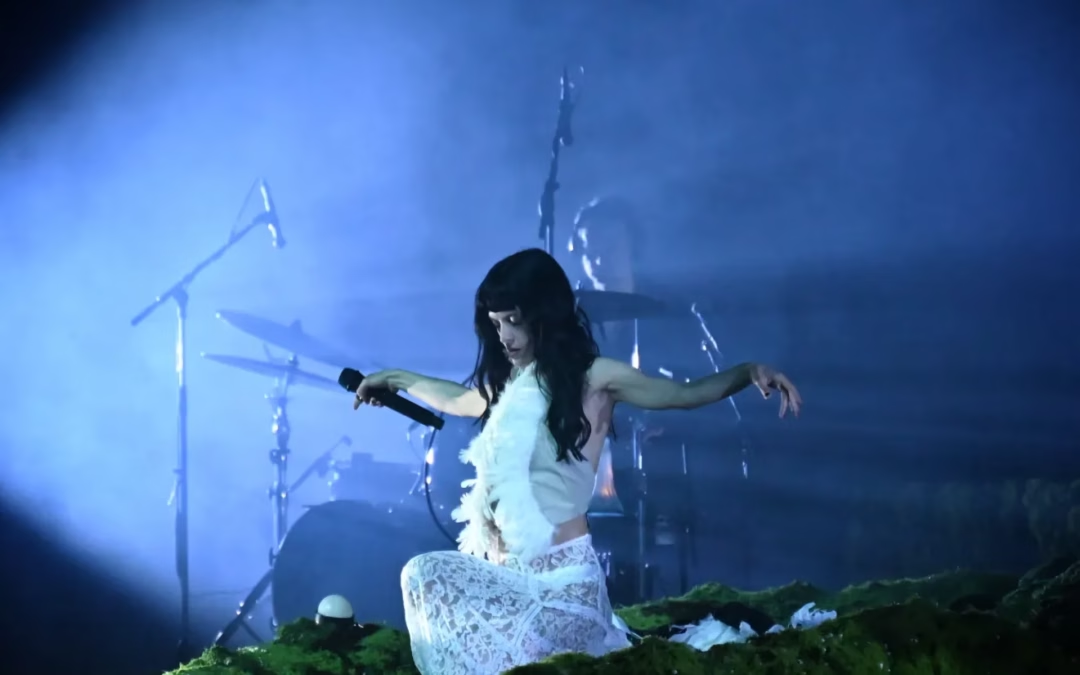
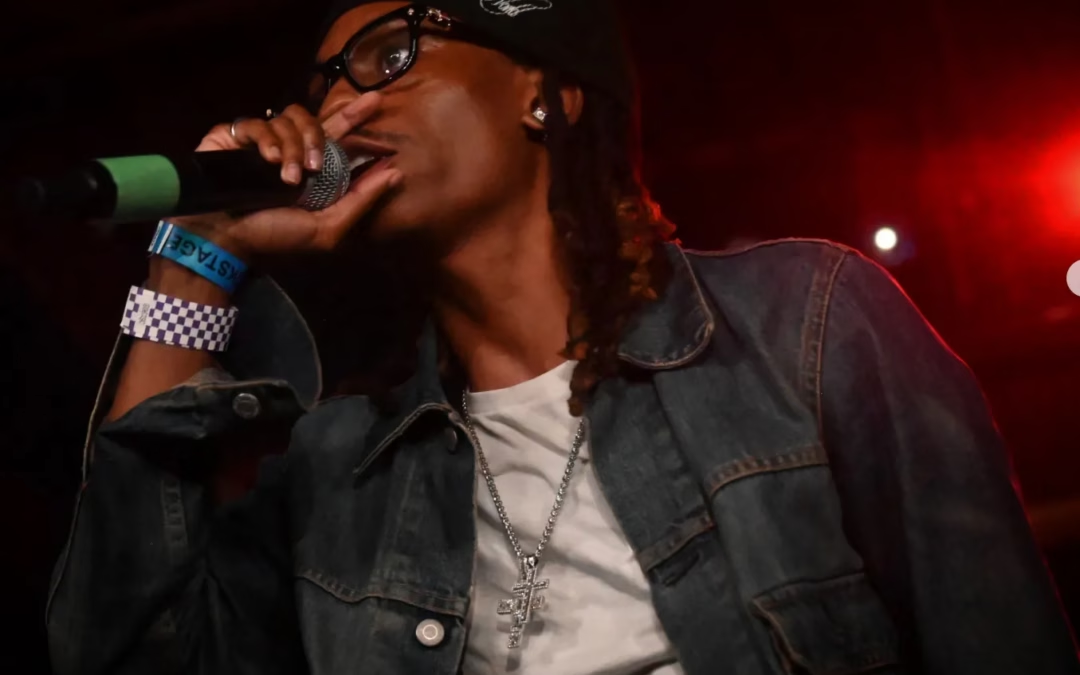
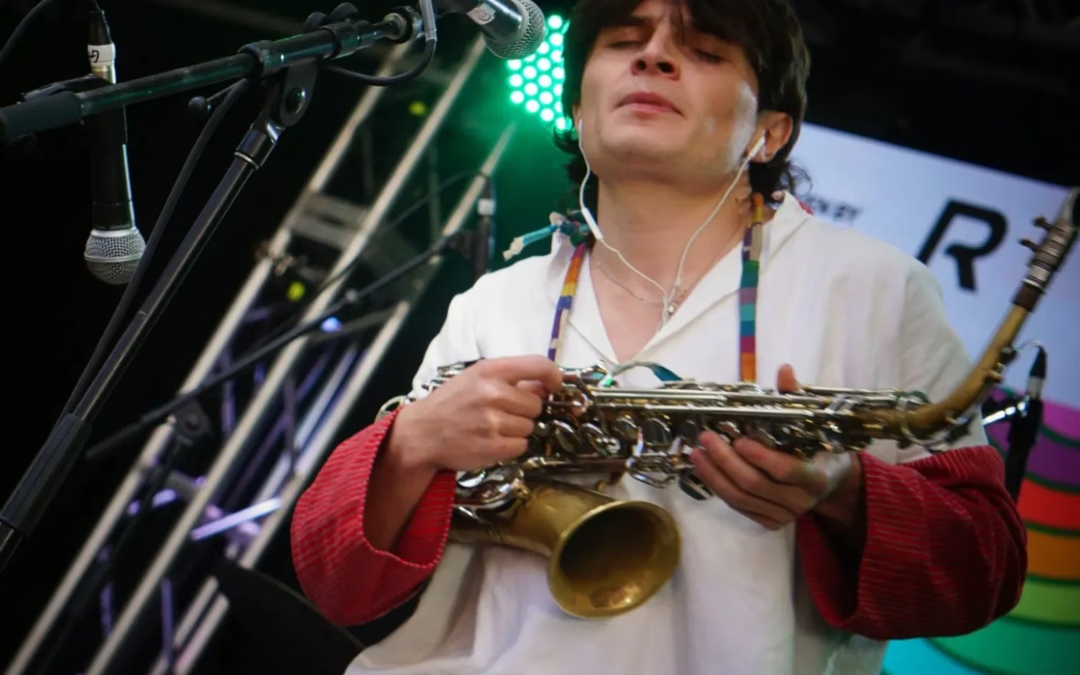
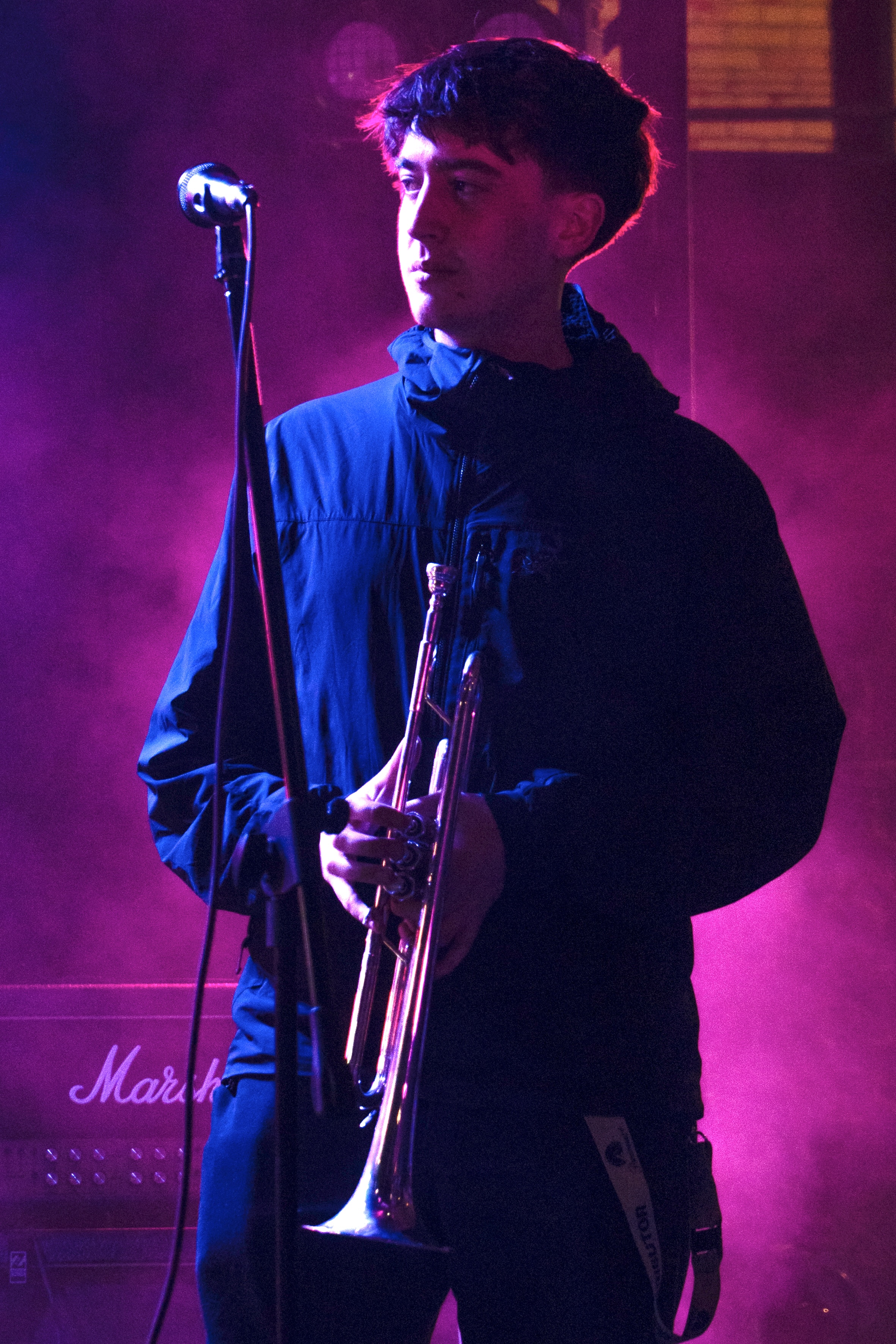
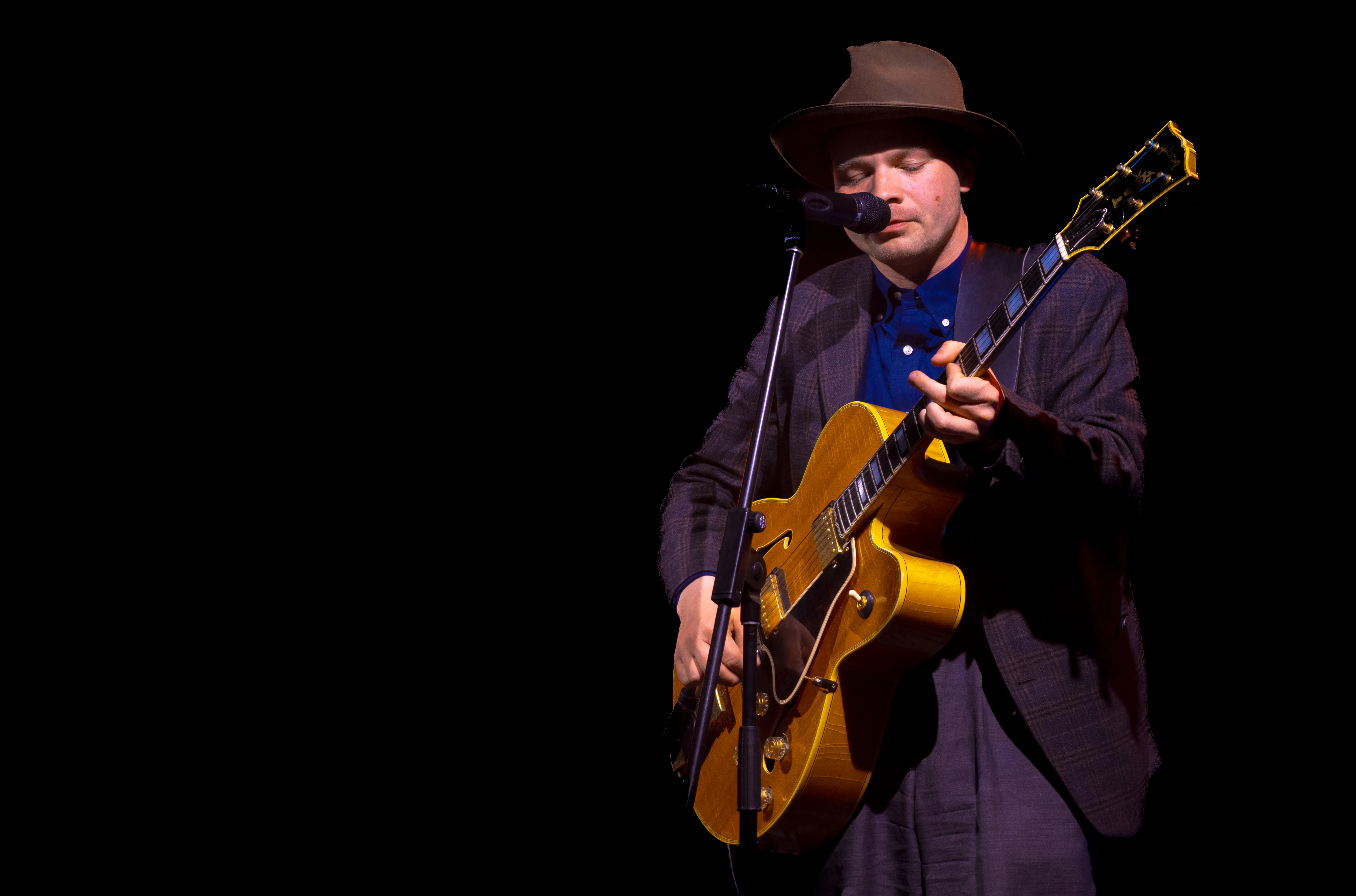
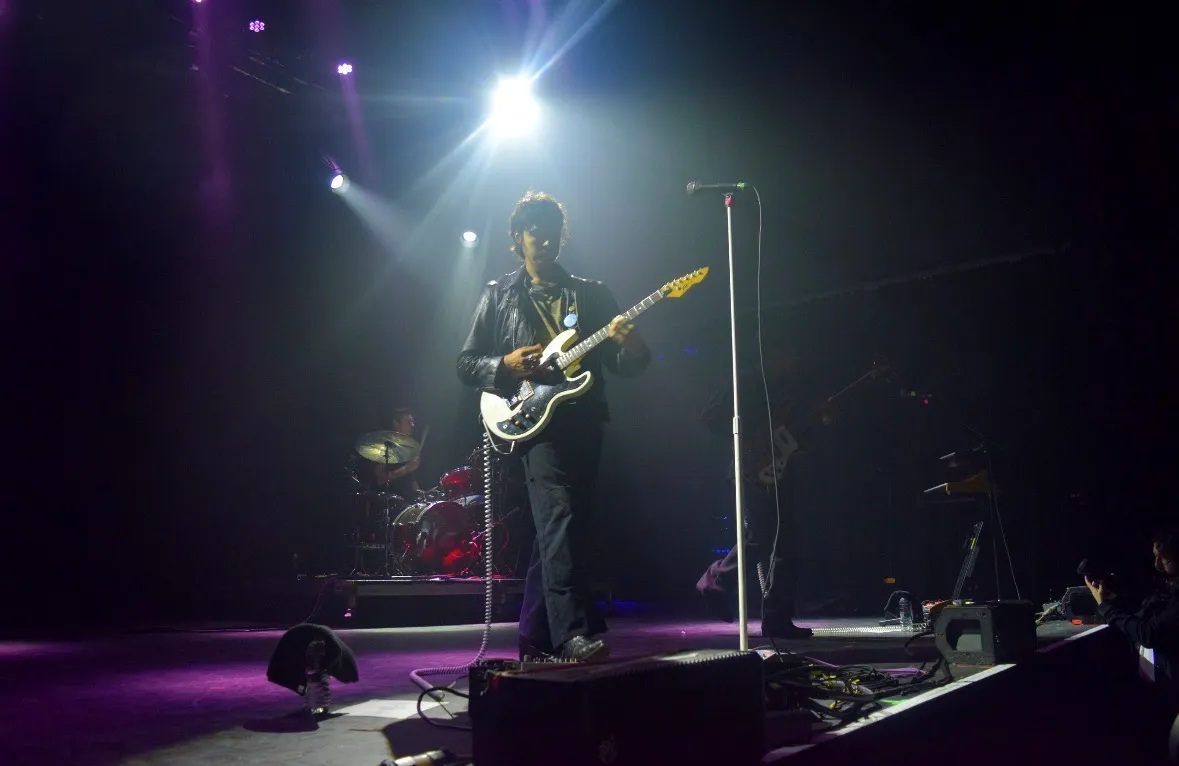
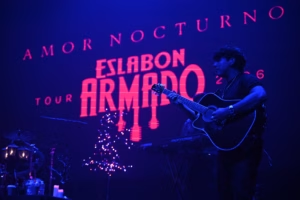
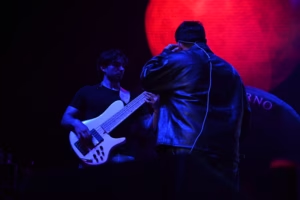
Eslabon Armado’s Amor Nocturno Tour was a night built around Hispanic heartbreak, romance, and the kind of songs that an entire crowd loves to scream out and relate in memory. Before the band stepped onstage, the atmosphere felt personal, as the manager came and introduced them one by one, and thanking the fans for their overall support. Even in a large concert setting, where the 713 Music Hall was seated (very rare) the music carried the same intimate feeling that makes Eslabon Armado’s songs so relatable. Their combination of regional Mexican instrumentation, emotional lyrics, and relaxed and very stage presence created a show that felt less like a flashy production and more like a shared experience between the band and its fans.
One of the strongest parts of the concert was the real audience presence here. This is no joke, my first ever concert in Spanish and it surprised me that the fans were singing along almost constantly, especially during the more recognizable songs of his 2020 album Corta Venas. At some points, Pedro Tovar barely needed to sing because the crowd was already carrying the lyrics for him, in fact he would just pass over the mic to the audience to let them do their thing. I also quite enjoyed how many of their songs focus on relationships, heartbreak, missing someone, and memories of people who are no longer part of your life... with this packed 713 Music Hall Venue, those lyrics together made songs that might normally feel private suddenly feel communal, as everyone shared similiar trauma ?
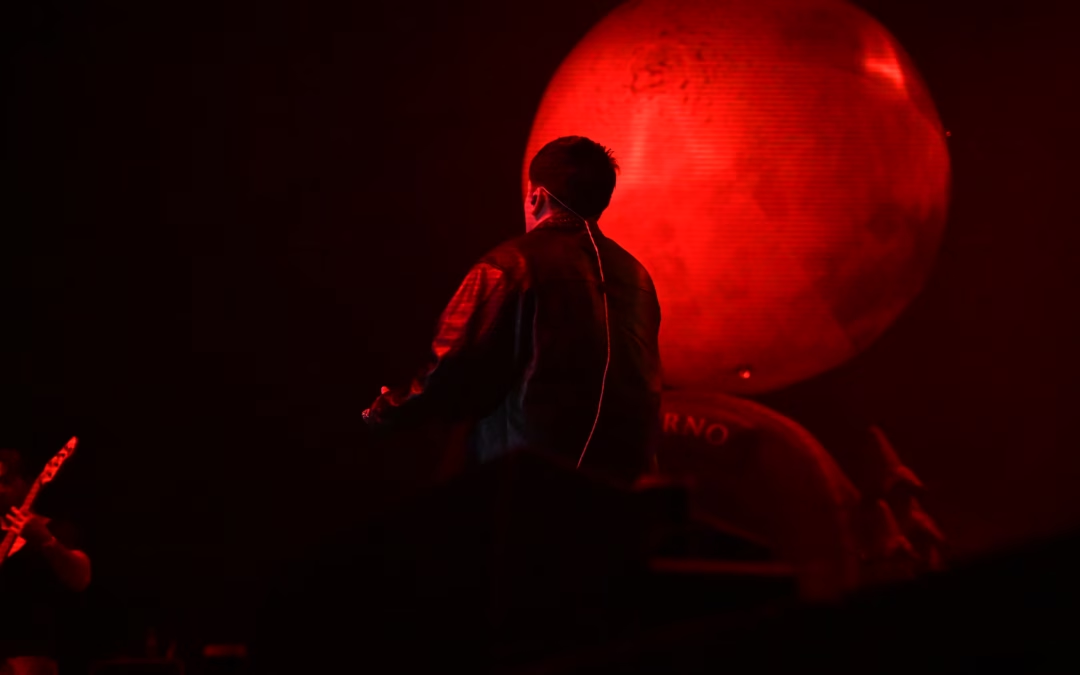
Musically, Eslabon Armado sounded strongest when they allowed their instruments and vocals to remain at the center of the performance. The guitars gave the concert its recognizable sound, while Tovar’s vocals maintained the emotional tone of the recordings. Rather than relying heavily on choreography or complicated stage effects, the band let the songs do most of the work. The stage design was cool, with a red moon fitting his new album Nocturno and the background having videos of the band, giving a similiar Frank Ocean Video Feeling back in 2018. The bands constant playing and movement was also enjoyable, as it is nice following them along in this over 2 hour show!
The stage presence was more laid-back than what someone might expect from a pop or hip-hop concert, but that did not necessarily make the performance less entertaining in my opinion. Instead, the energy came from the crowd’s reactions/screams, the musicianship, and the anticipation surrounding each song, as their catolouge is quite expansive now. The band interacted with the audience throughout the night, even drinking with tequila with one. Still, adding a few more extended interactions or unexpected moments between songs could make future performances feel even more unique instead of simply moving from one song to another. This show suffered in fan entertainment value, and could of been better, however I will give credit in such a long show.
Overall, Eslabon Armado delivered a concert that understood exactly why people over the world connect with their music. The night was not about huge effects or an elaborate spectacle. For longtime fans, the Amor Nocturno Tour off Eslabon Armado’s greatest strength live is the same thing that has made their music successful: their ability to make heartbreak feel personal, relatable, and worth singing about... and as a fellow Mexican, I love that, and I love what they do. To go off in a quick side tangent, Eslabon Armando and Frank Ocean are the only artists that actually make me sad. There music makes me sad where sometimes I just cant, and this concert really hit home, especially right before my schooling starts. Thank you guys for making me feel this way even though its sad, please if you are reading this go check them out if you are in your feels, even if you understand Spanish, this stillll hitsss, I PROMISE!
Now to give this a rating out of five, Letterboxd Style!
Raveena stepped out onto Rice University’s Moody Center stage on February 28th. As she opened her set with the tender first notes of “We Should Move Somewhere Beautiful,” a voice from the crowd called back, “With me!” It might as well have been all of us speaking.
Before Raveena even took the stage, the audience had already been drawn into her sonic world by DJ Yorztruly, a local artist who frequently plays sets with Ice House Radio. As the crowd made their way from the Imaging After Photography exhibition to the outdoor stage, his set introduced us to the musical mood for the evening rather than simply filling time. Moving fluidly between genres, he incorporated songs reflecting the many influences that shape Raveena’s sound. His blend mixed everything from shimmering 1970s disco grooves to passages of Indian classical music. His equipment perched precariously on a folding table, DJ Yorztruly tapped into some communal rhythm. Fans were abuzz with excitement, dancing long before the headliner appeared.
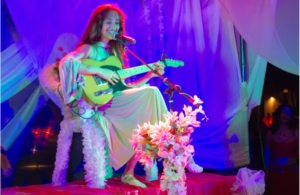
The stage design fully leaned into the dreamy aesthetic that defines Raveena’s music, an intoxicating blend of R&B and soul with soaring Bollywood ballads. Throughout the night, she practically floated among the draped tulle and cascading garlands. The set created a soft, almost bridal atmosphere. Designed by visual arts students at Rice University, the details were deliberate: a microphone stand wrapped in pink lily-like flowers, and a plastic lawn chair similarly festooned with white blooms on an elevated platform behind the band.
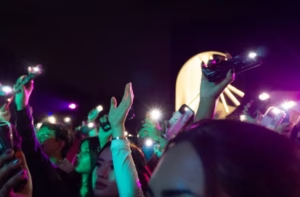
From this makeshift throne, Raveena honored Aaliyah, forever known as the “Princess of R&B,” with a gentle rendition of her song “At Your Best (You Are Love).” And that evening, under the stars and swaying iPhone flashlight beams, Raveena’s performance suggested that there may be space for two in that royal court. Halfway through the song “Pluto,” whose lyrics lend a line to the title of her newest album Where the Butterflies Go in the Rain, longtime collaborator Aaron Liao got down on one knee to hand Raveena his electric guitar. This gesture felt less like routine than a moment of devotion fit for a noble.
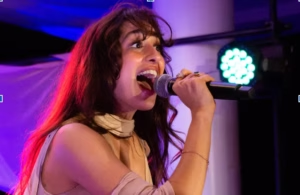
Raveena played with the visual levels of her performance, skillfully traversing the whole stage in her ballet grip socks. She moved with intention, allowing herself to feel through every tone. She spun in her billowy dress, leapt on and off of the raised platform, threw herself into gestures that made it seem as though she was physically tracing each note in the air. It was a real privilege to see someone so in her element. At times she lunged forward into the crowd, blurring the boundary between stage and audience. Most memorably during “Smile for Me,” she pointed to her fans on the line “baby, if I ever get a minute, I will spend it with you.” The moment was utterly enchanting, and made the large production feel strangely intimate, almost as if the lyric had been delivered to each person individually.
During “Kehna Hi Kya,” she shifted into movement inspired by Indian classical dance traditions. Her fluid hand gestures that were reminiscent of mudras, delicate wrist rotations, and rhythmic footwork grounded the performance. Later, in “Honey,” the precisely executed choreography gave way to a collective sing-along. The audience took up the chorus while Raveena layered airy vocal runs above them, letting the crowd carry the melody as she floated over it. After the song ended, she praised her fans with a giggly remark about being able to “tell [they] were singers.” Maybe some were indeed, but this reviewer suspects that the energy there that night was what had unlocked the courage needed to sing out in all of us, at least for a chorus or two.
At one point, before one of the final songs of her performance, Raveena implored us all to hold our partners or friends close. She jokingly laid out a third category as well, “a friend you want to get with,” which prompted a laugh from the audience. In any case, it seemed as if everyone inched just a step closer together. Strangers smiled together in the dark, nearly cheek-to-cheek. By then it had become apparent that the energy felt from the opening notes was not just a coincidence, but a space that Raveena and her team had been cultivating all evening. The night was as tender as the soft washes of purple light that bathed the stage throughout the performance. Love flowed freely throughout the crowd. Even after the music faded, this reporter drifted away from the stage carrying that warmth with her.
Not For Radio or Maria Zardoya from the Marias, kicks off her A Summer in the Forest Tour in the majestic Hobby Theater. I was fortunate enough to take photos for both artists and review them in a proper video format. The rating will appear at the bottom of the screen.
Lelo and Groovepill are both underground rappers from Detroit going on tour for the Pink Tiles V2 Tour. I was fortunate enough to take photos for both artists and review them in a proper video format. The rating will appear at the bottom of the screen.
As the festival was coming to a close, Diles Que No Me Maten played their final performance in the middle of the day at the BBC Radio Day Stage. This Mexico City-based band was unlike any other experimental group I encountered.
What first captivated me was their name. “Diles Que No Me Maten” directly translates to “Tell them not to kill me.” They are named after the book written by Juan Rulfo. In the story, the protagonist, Juveinco, is pleading with an officer not to be killed after he hid away for 35 years from committing a murder. Lo and behold, the officer is the son of the man Juveinco killed. The book holds political undertones as it unveils the harsh realities in rural Mexico. While the band doesn’t directly reference the story within their projects, their music is rooted in conveying the pressing social issues in Mexico City and alludes to themes of existentialism.
Many of their songs are improvised and feature an offbeat jazz instrumental backing for fast-paced spoken word. In their songs, there would be breaks in between the spoken word of lead singer Jonás Derbez, who would pull out different woodwind instruments and a harmonica. Each woodwind break sounded like a spasm on the pad keys, going up and down different octaves and messing around on the chromatic scale. The most peculiar setup Derbez had was his saxophone with a flute resting inside.
They kicked off their set with their new single, “Hiriku”, one of their songs on their unreleased album Escrito en agua. This song drove the crowd's energy. It's more of a swing, with a follow-the-standard-pattern verse and catchy chorus, a unique choice for the first song. The drum beat was almost similar to the swing of “Weird Fishes/ Apreggi” by Radiohead. However, the simple bass beat feels heavy, giving it some grit. Once the song reached the chorus, the drums and bass suddenly cut out, and soft, reverbed guitar strumming took over. Derbez switched from a chant to a soothing melodic voice. When the drums and bass cut back in after the first chorus line, the song suddenly entered another dimension. While I wish I understood the lyrics, the sonic contrast and raw emotion were enough to feel the gravity of their performance.
The best part of the show was the song they played to close out their set. They finished with their recent single, “Manos de Piedra (Revisitada)”. The song transported the audience into so many different vibes. It started out very upbeat, with a marching bass line, a surf reverb guitar line, and a swinging drum. Then the instrumentals die down, and a melancholic acoustic guitar crescendoes, slowly enveloping a feeling of tension and curiosity throughout the song’s journey. Derbez took the trip even further with his saxophone solo, freestyling and harmonizing with the rest of the group. Derbez pushed past the boundary, creating a perfect clash of sounds that moved me to tears.
Diles Que No Me Maten brings out the angst and emotions that move crowds even when there is a language barrier. From the band's name to their experimental sound, they have been intentional about sparking conversation for deep reflection and serving as reminders for listeners to confront the heavier, often uncomfortable realities of existen
This year’s SXSW resulted in one of the largest music showcases of the year, featuring over 300 artists as part of their annual music festival. The line-up can be overwhelming with a variety of acts from across the world performing various genres and some in different languages. This list is to help KTRU listeners from around the globe to discover new, exciting talents!
Jasmine Jethwa (London, UK)
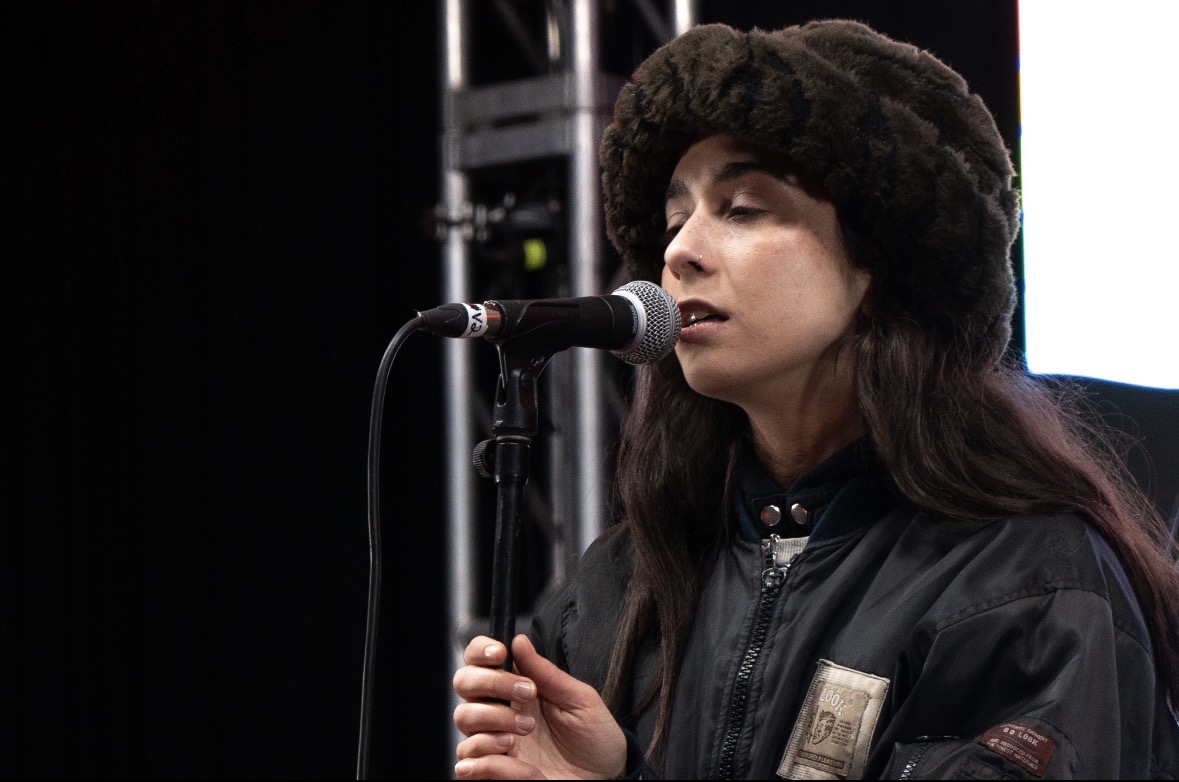
In my lifetime, I have only seen three artists more than once live: Kendrick Lamar, The Flaming Lips, and London-based artist Jasmine Jethwa. Having caught two performances by Jethwa at SXSW (British Music Embassy and the Global Music Stage), I can confidently say that she was my favorite performer of the festival.
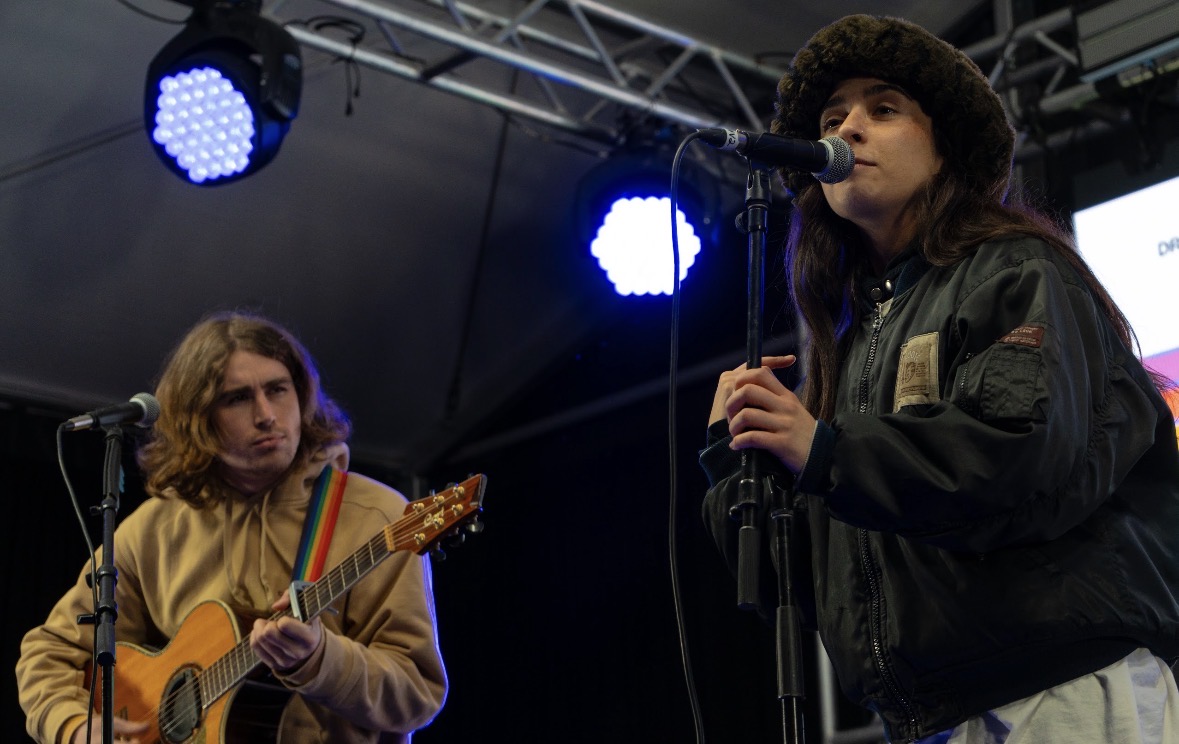
Performing alongside guitarist Izzi Bard, the duo performed with powerful simplicity: an acoustic guitar and Jethwa’s voice. Her stunning use of falsetto and vibrato on songs like “I Believe in Love” and “Vulnerable” caused me goosebumps. When reflecting on her song “Vulnerable,” Jethwa said, “[there’s] not a lot of poetry, but a lot of honesty.”
Meeting both Jethwa and Bard after the show, I was delighted by their humility and kindness. Both musicians had such warmth to them, both on-stage and off. The sheer power of Jethwa’s voice and her gentle presence left an incredible impression on me since SXSW.
Mark my words, Jasmine Jethwa will be a star - it’s only a matter of time until TikTok hears her voice and she explodes in popularity. Jump on Jasmine Jethwa’s musical career while she’s still growing.
Neptune XXI (Philadelphia, PA)
One of the most enigmatic and engaging performances from the festival comes from Philadelphia-based hip-hop extraordinaire Neptune XXI. Promoting the upcoming release of her album, Medicine Music 2, Neptune opened for Vic Mensa at the Flamingo Cantina - a small and intimate venue.
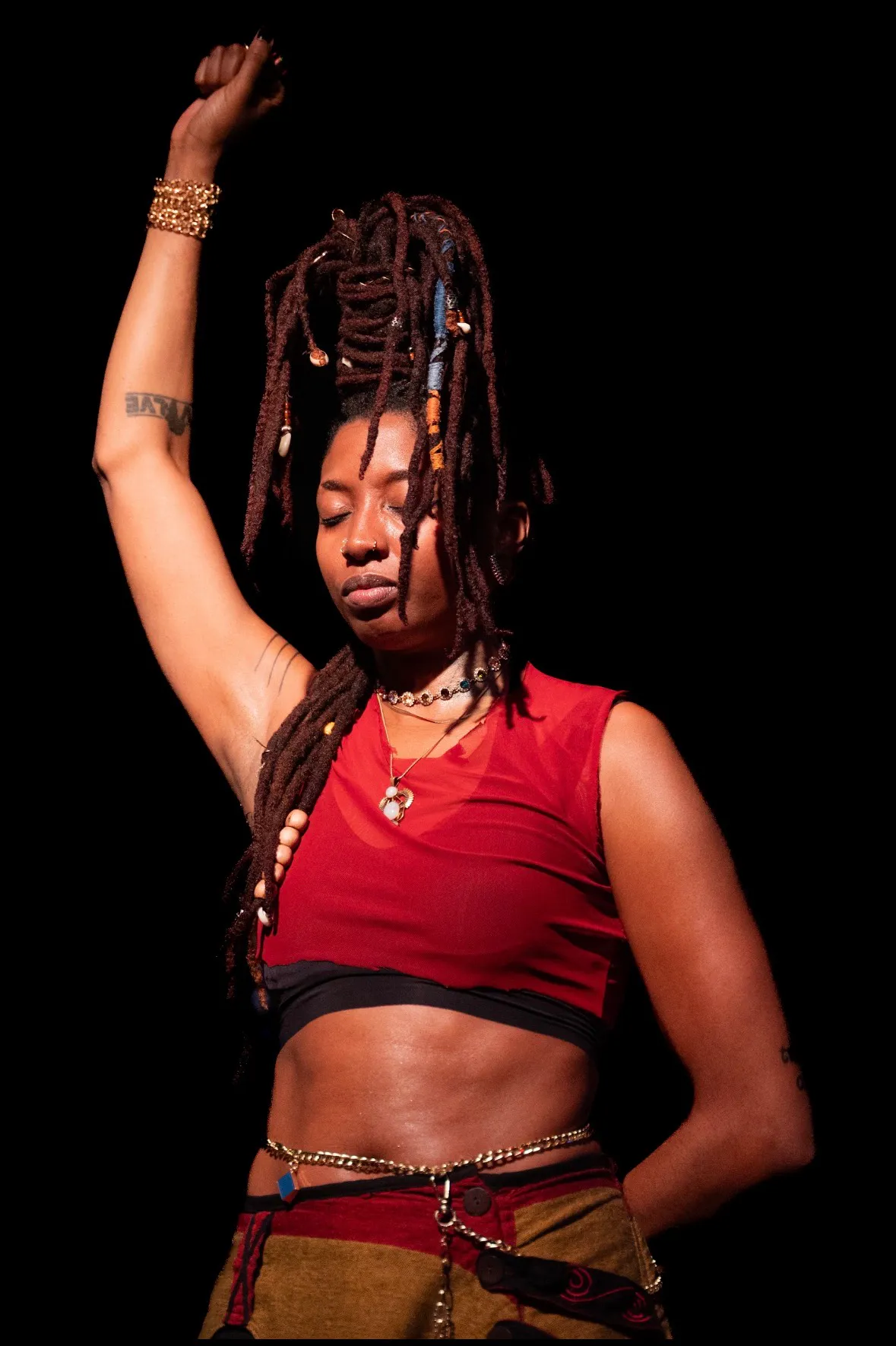
Right from the first song, Neptune had a chokehold on the audience’s attention - one that was unlike any other at the festival. Her passionate flows and delivery remained creative throughout songs like “Big Fish.” Coupled with her superb cadence and stage presence, Neptune XXI immersed the audience by being incredibly emotive through her mix of flows/melodies and her dancing.
One of the most impactful moments of Neptune XXI’s performance was when she performed “I AM A REVOLUTIONARY.” Citing inspiration from Nina Simone and Fred Hampton, Neptune said that, “It’s the artist’s duty to reflect the times.” Sampling Simone’s famous cover of Billie Holiday’s Strange Fruit, the anthemic song is as empowering as it is haunting.
Neptune XXI is an artist that is the full package with an endless amount of charisma, energy, and passion behind each song - carefully crafting messages of empowerment and resistance within each verse.
Lucid Express (Hong Kong, China)
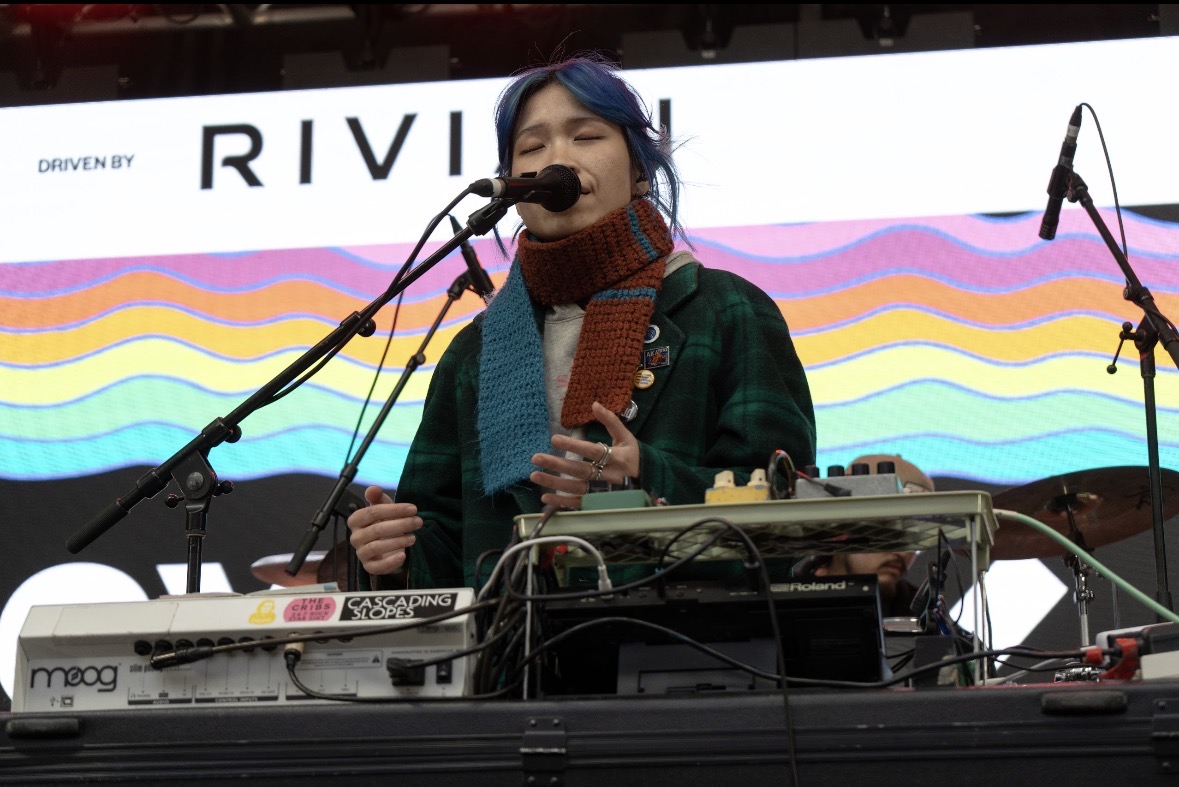
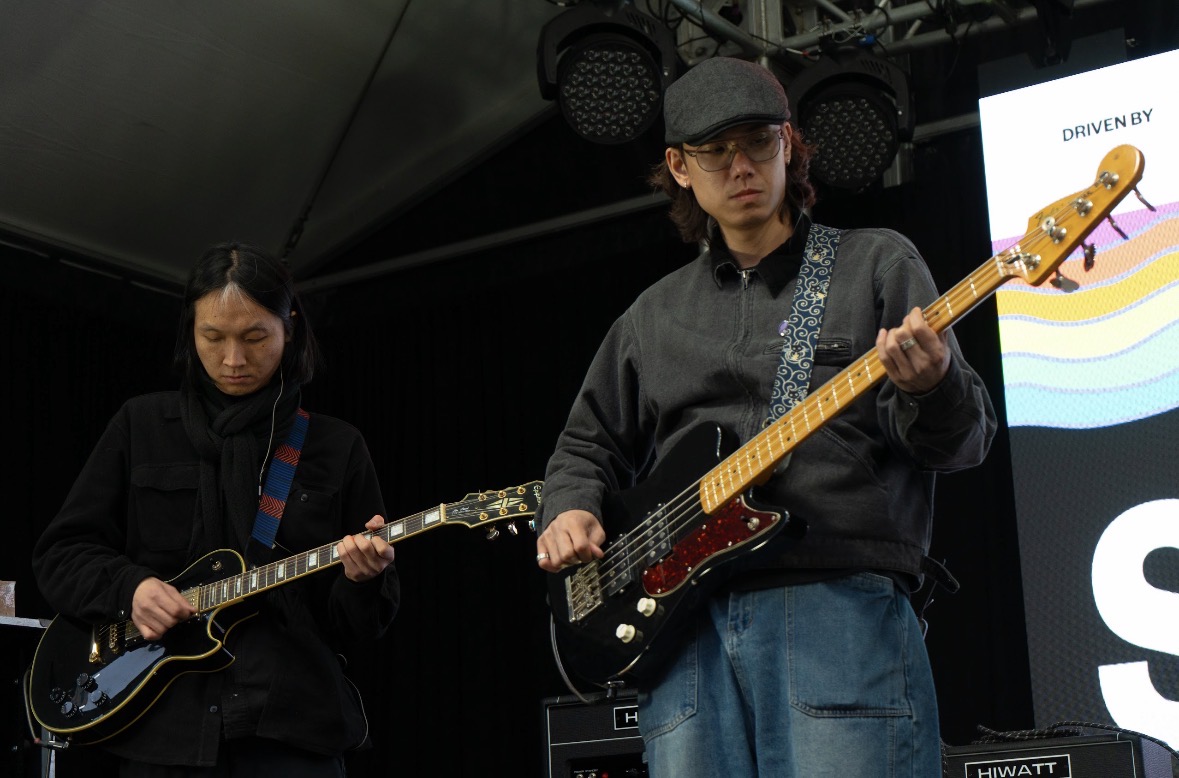
Hailing from Hong Kong, Shoegaze band Lucid Express was one of the most mind-bending acts from this year’s lineup. Performing on this year’s Global Stage bill, Lucid Express created dreamy and surreal soundscapes soaked in tremolo and reverb.
Lead singer Kim Ho Tsz-ki’s vocals are faint and subtle, yet added tremendous texture to the wall of sound coming from the guitars and bass. In their performance, Lucid Express used at least 15 guitar pedals, with the guitarists using the whammy bar like there was no tomorrow. This helped to create a larger than life sound that felt visceral throughout.
The band performed one song into the other, playing material from their new album Instant Comfort and deeper cuts from previous records like Floret and their self-titled record. This resulted in a mixture of entrancing dream-pop ballads and reverb-heavy Grunge anthems.
I can assure anyone that listens to Lucid Express that, after you listen to a few songs, your shoes will indeed be gazed.
Mariae Cassandra (Perth, Australia)
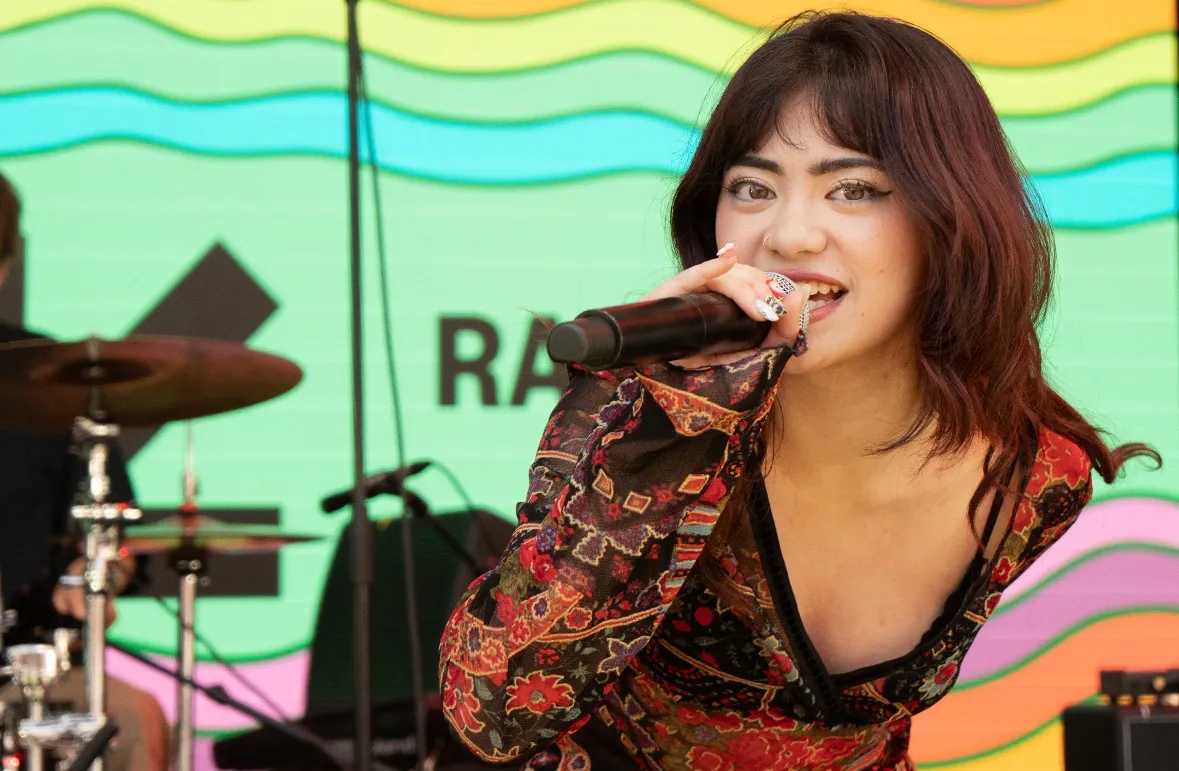
One of the youngest acts at this year’s festival was 18-year old Indie Rock artist Mariae Cassandra. Making her US debut, Cassandra’s sounds are a mix of Alvvays and Paramore.
Cassandra played songs from her EP titled Everything in my Backpocket. The EP showcases Cassandra’s ability to provide delicate and beautiful vocals that detail the plights of being a teenager.
I found that Cassandra’s songwriting was fun yet introspective. On “Theodore,” Cassandra explores identity and soul-searching on a song about an imaginary friend, contrasting the lighthearted “Million Billion Trillion,” a song dedicated to loving her best friend.
Overall, I found Cassandra to be incredibly positive and excitable, singing with an infectious energy. Cassandra’s performance shows promise for the young singer’s future as she remains dynamic in her search for the sound that will soon define her career.
The Tullamarines (Adelaide, Australia)
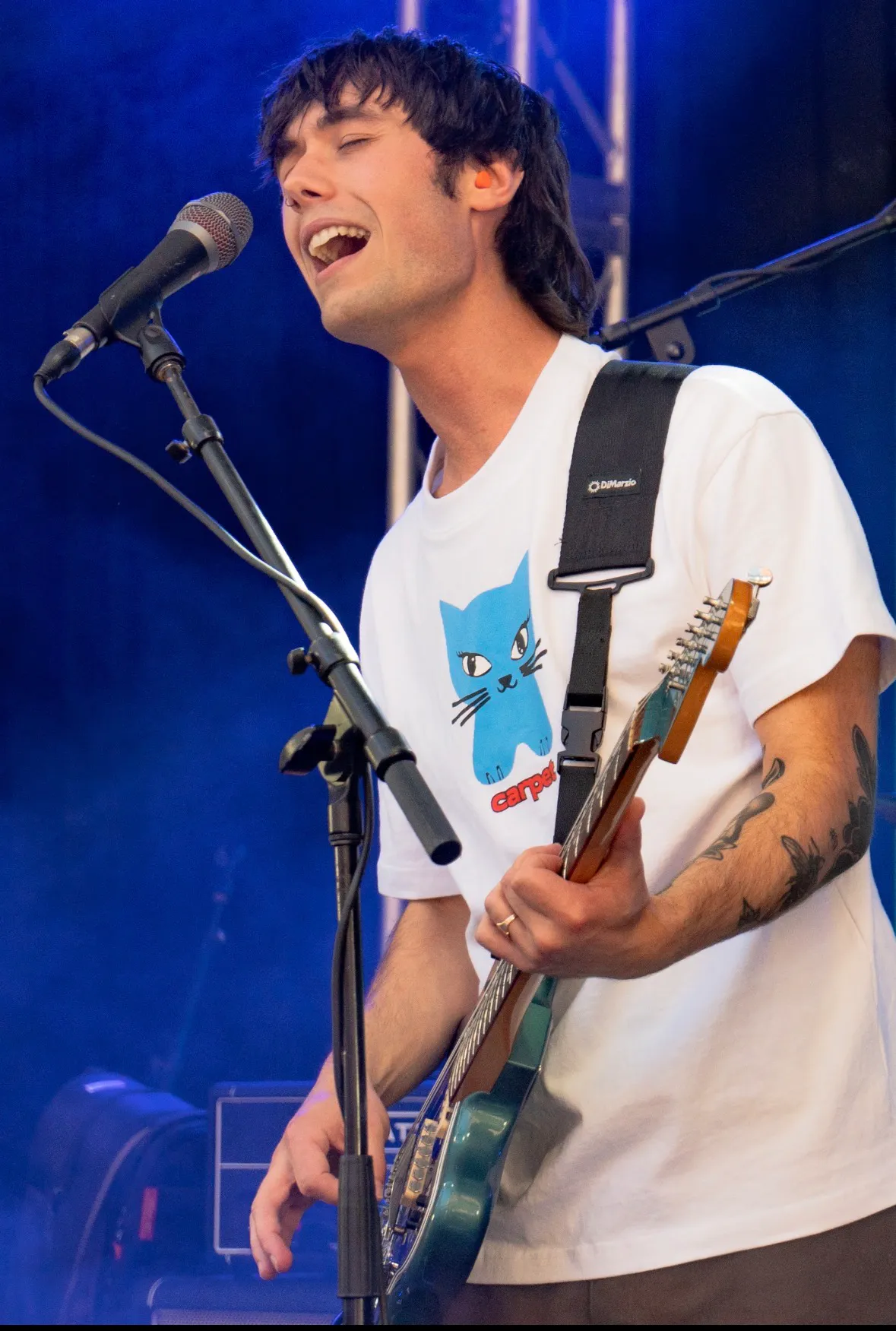
Bringing a punk energy to the dancefloor this year was Australia’s The Tullamarines.
Packing their set with fun, driving instrumentation, I found that the crowd couldn’t help but dance.
Songs like “Running on Empty” are earworms that are helped by the passionate vocals and high-energy emitting from the backing band. “Head Roll Back,” about the singer’s girlfriend, is another example of a catchy hook that is propelled by great, genuine energy.
Something that makes the band a rare case is that every member sang individually and I was blown away by how solid each member’s vocals were.
Audience members reciprocated the band’s energy throughout the set; the excitement was felt as this was the band’s US debut. The Tullamarines are fun, bright, and electric. This is 100% an act that you will not be able to listen to without tapping your foot.
I See Orange (Swindon, UK)
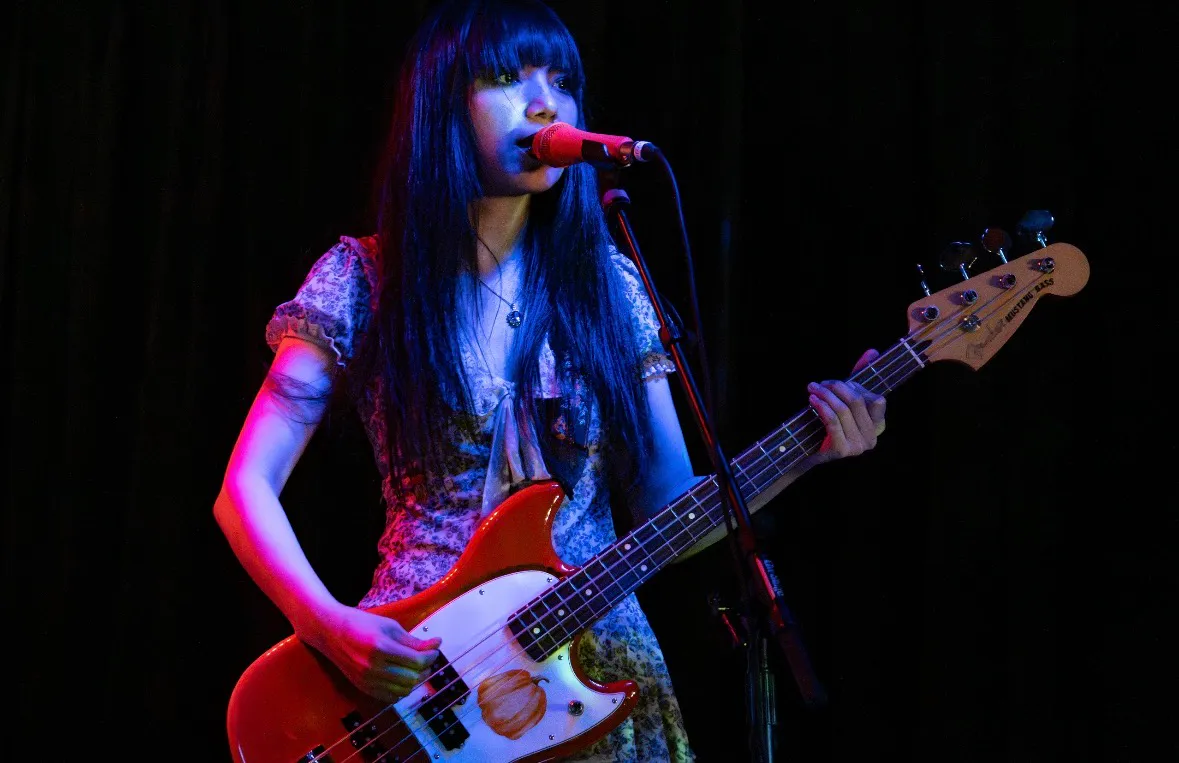
High-octane and ear-piercing is how I would describe UK-based group I See Orange.
Infusing their music with elements of 90s grunge, the sound from I See Orange is loud and ferocious. As trippy psychedelic visuals projected onto the band, the towering sound of bass and guitar consumed me from head to toe.
Songs like “La Bruja” reverberated throughout the venue with their fast and punchy delivery. I loved how loud and booming the guitar solos were on tracks like “Wine Boy.”
Despite the intensity of their sound, I See Orange made their show a lot of fun. A standout moment was when they brought out bubble blowers and played as bubbles floated throughout the dimly-lit bar.
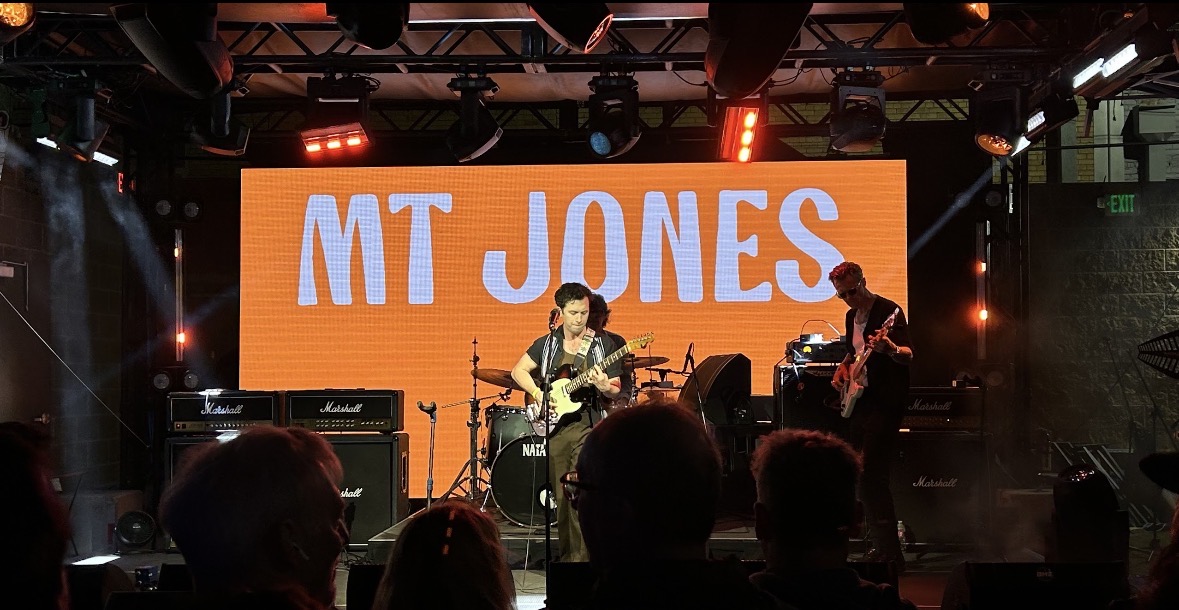
MT Jones (Liverpool, UK)
With a blast from the past, singer MT Jones spins the sounds of the 60s and 70s for a new audience. Hailing from the UK, Jones played a set in a similar vein as Thee Sacred Souls and Jalen Ngonda, with a voice that is comparable to Van Morrison.
The funky and groovy nature of tracks like “I Don’t Understand” transports the audience back into another time. Jones also showcased a more melodic side to his performance with songs like “Nothing I Can’t Do,” with audience members slowly swaying their hips from left to right.
MT Jones is an artist that captures the sounds of the past and transforms them into new music for a new generation to experience.
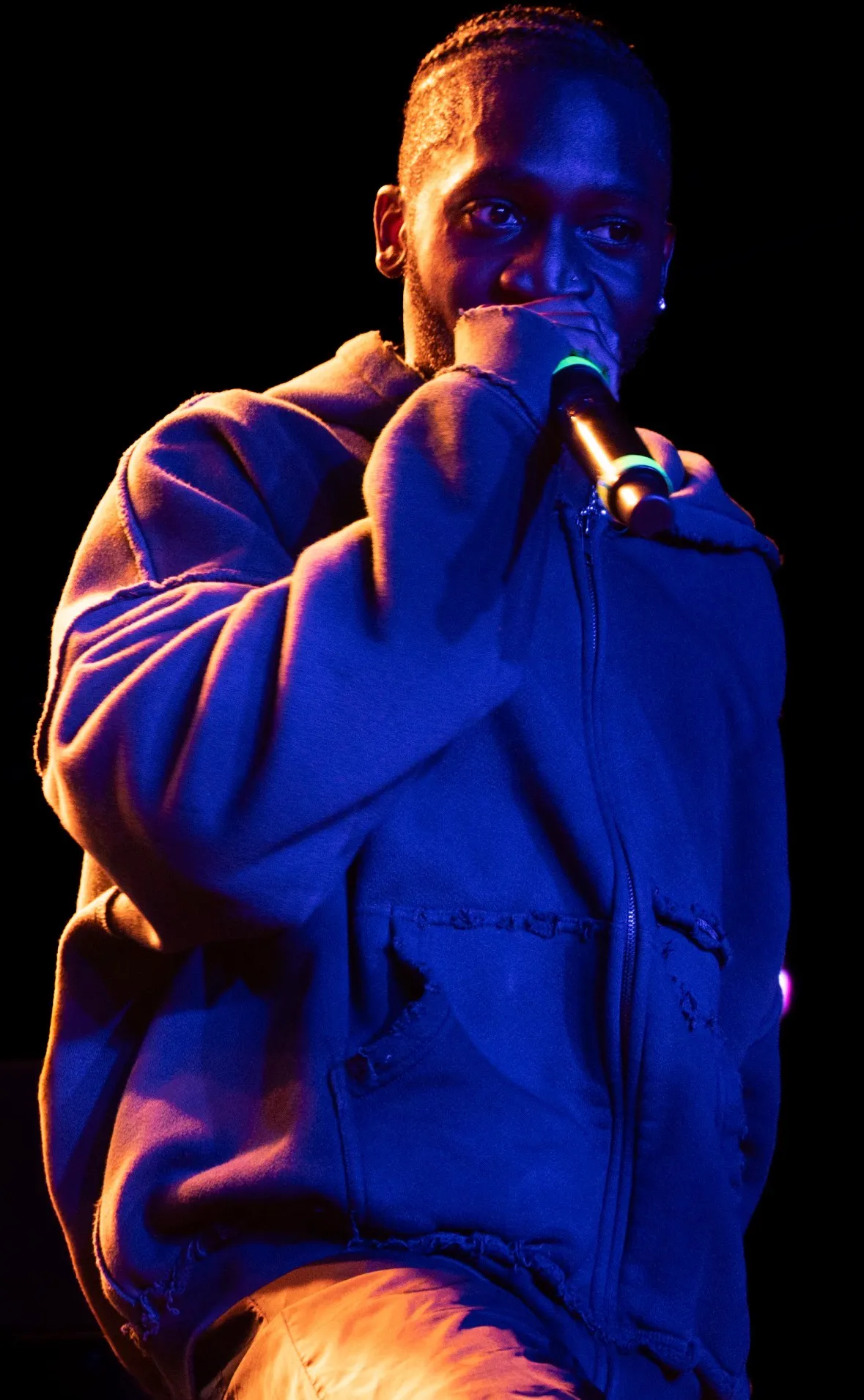
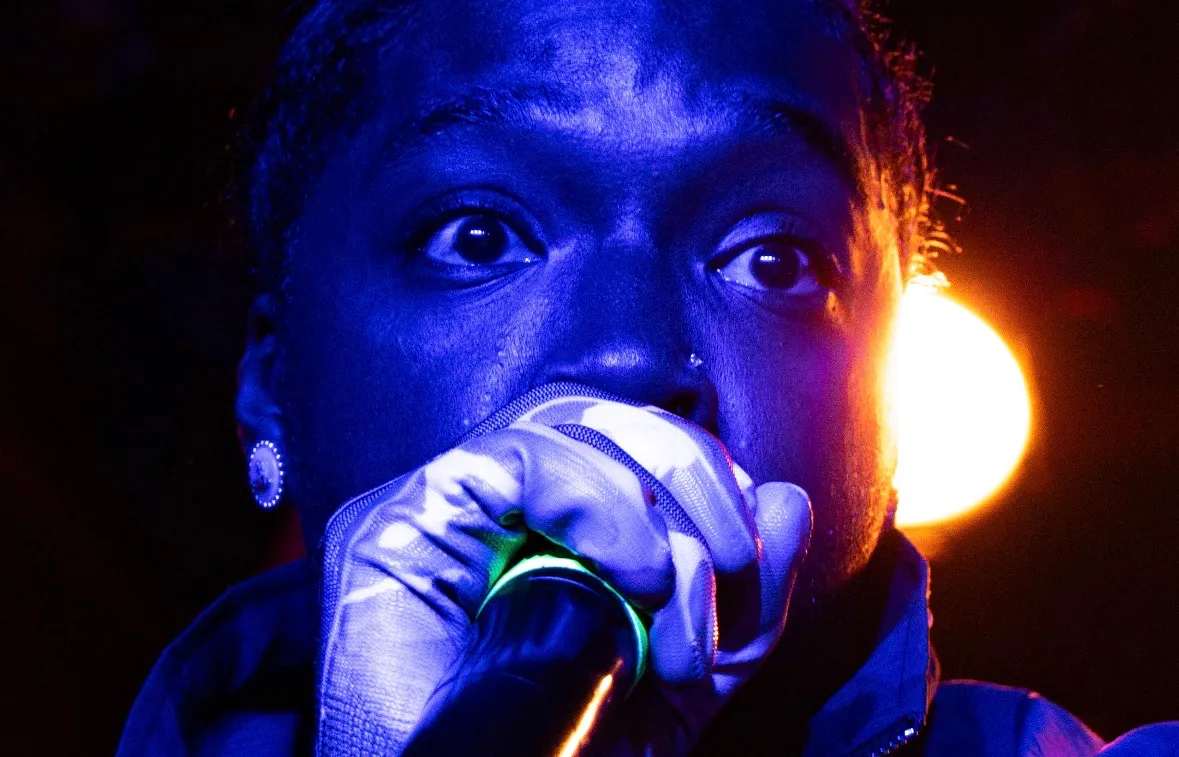
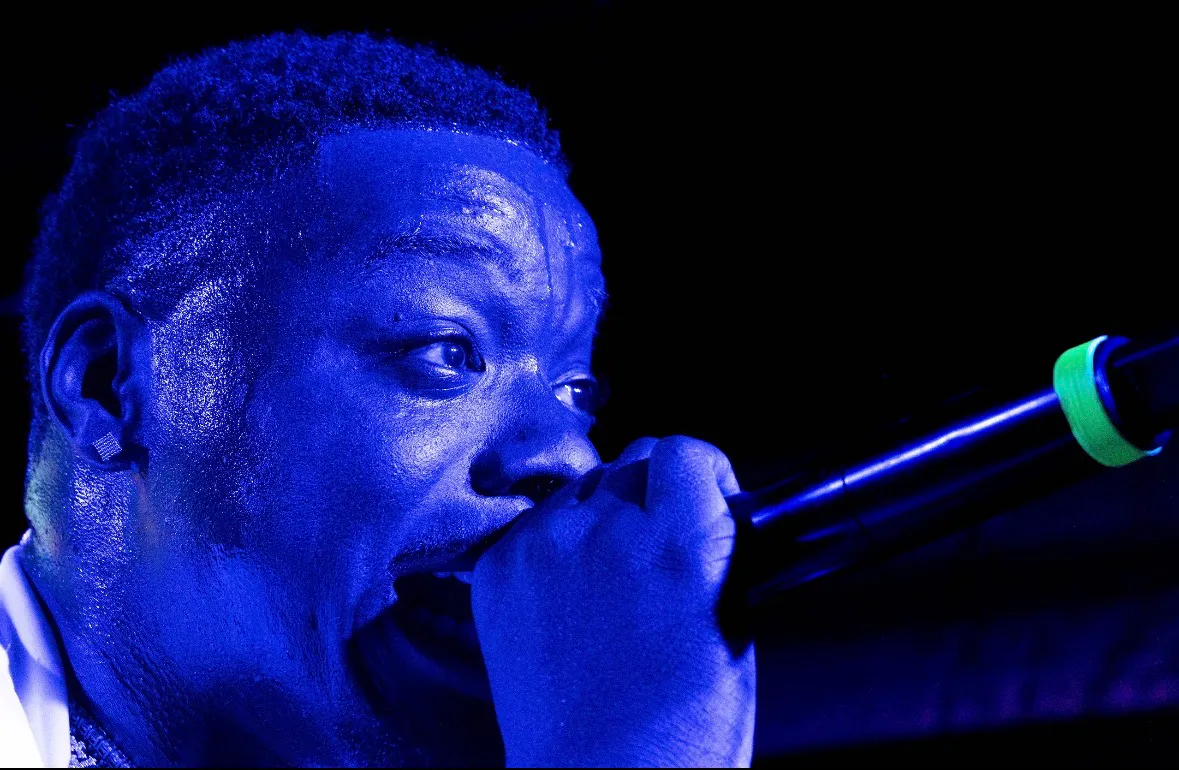
If you’re a Hip-Hop fan of any caliber, rappers like Kendrick Lamar, Schoolboy Q, Ab-Soul, Jay Rock, and Isaiah Rashad have spoken to you in one way or another. They are all linked by the fact they are currently or formerly signed to famed music label Top Dawg Entertainment (TDE). At this year’s SXSW, TDE had a showcase of some of their most promising artists.
Kembe X
The first artist in the lineup was Chicago-based rapper Kembe X. His performance consisted of a mix of melodic rap songs and bangers - balancing good flow with a solid singing voice. Songs like “Cozy Forever” are a great example of Kembe X’s ability to strike a balance between these differing styles; the beat is filled with triumphant strings and trumpet lines as Kembe delivers a catchy hook and infectious flow.
Kembe X’s approach to creating bangers is uniquely infused with a laid-back approach and introspection such as the case of “Crooks & Castles,” unreleased at the time of the performance.
This performance during the showcase displayed Kembe X’s ability to infuse sticky melodic hooks into a dynamic rhyme scheme.
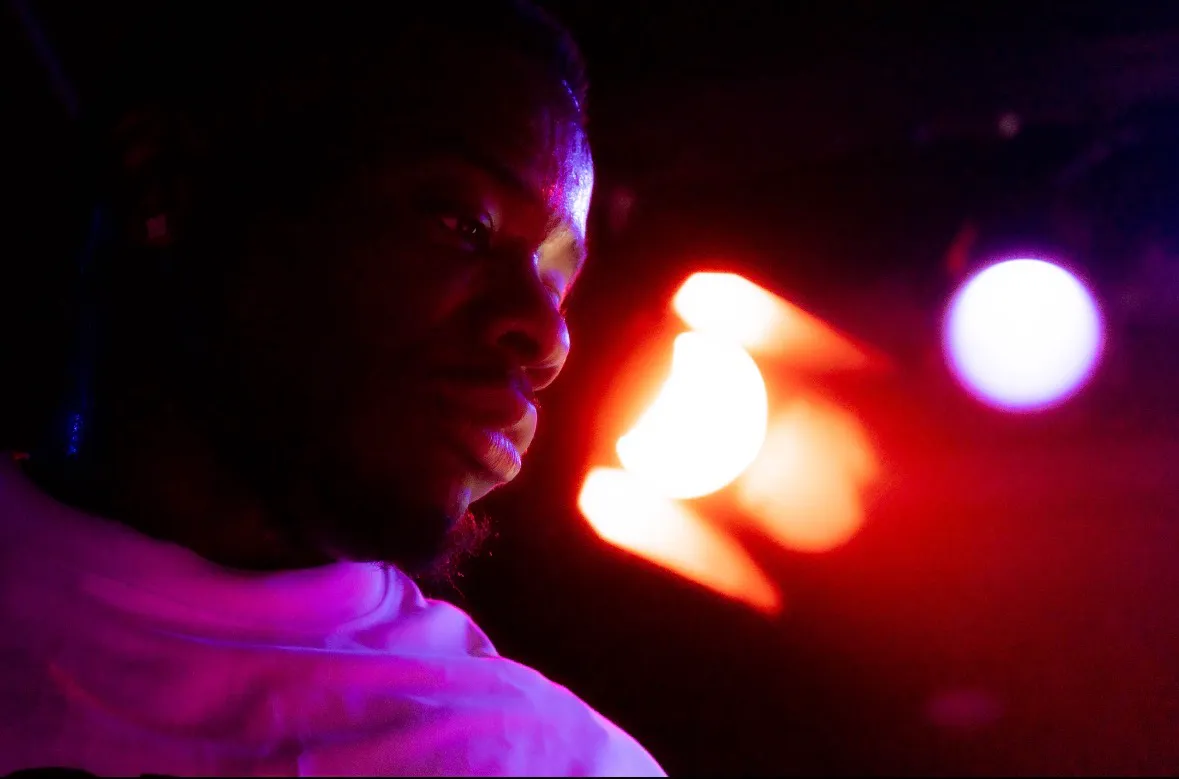
Devin Malik
Taking the stage after Kembe X was LA-based rapper Devin Malik. Malik has started to make a name for himself, both as a rapper and producer, on his debut record, DEADSTOCK; in the same year, he appeared alongside Schoolboy Q on his critically-acclaimed album, Blue Lips.
Performing a myriad of trap-flavored tracks, Malik allowed each song to reach its full potential. Listening to Malik beforehand, I did not find myself replaying many of his songs. I appreciate Malik much more as a performer because songs like “PEARLS” and “CANADIAN TUX” feel fully realized when coupled with his high energy and interactions with the crowd.
Malik is a performer that tends to outperform the studio versions of his tracks. The rush of adrenaline felt through each bar and the reciprocal energy of the crowd makes me curious to see if Malik can mirror this same atmosphere in future releases.
Yakiyn
Following Kembe X was the endlessly energetic Texas-based rapper Yakiyn. Having the smallest catalog, I felt that Yakiyn was the wild-card out of the bunch.
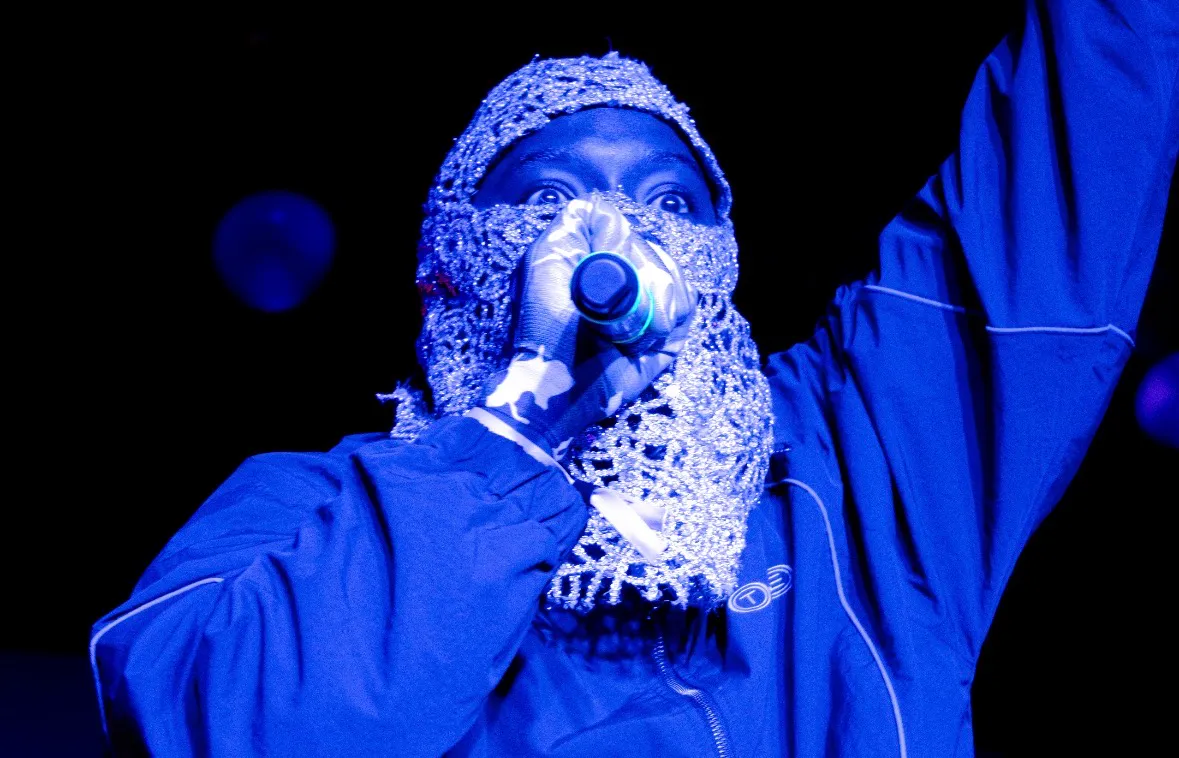
Coming onto the stage with an encrusted face covering, Yakiyn took the audience by storm and energized them unlike any other performer.
The previous sets had people bobbing their heads. Yakiyn raised the bar tenfold, launching the audience into a full-blown moshpit. The shift in energy and audience participation became apparent as Yakiyn even went into the crowd and moshed with them; this turned the venue into the most electric crowd I had experienced in all of SXSW.
One of my favorite songs out of the set was the mind-bending, “CALCULATE,” with a psychedelic synth-based beat. Despite its repetitive elements, songs like these had played a factor in the audience remaining as hype as it was.
Something I really love about Yakiyn’s performance is that he remained introspective in between songs, talking about how only a few years ago he was delivering packages for Amazon and fueling planes to make ends meet. His humility and genuine love for performing makes Yakiyn the most exciting up-and-coming performer out of the TDE Showcase.
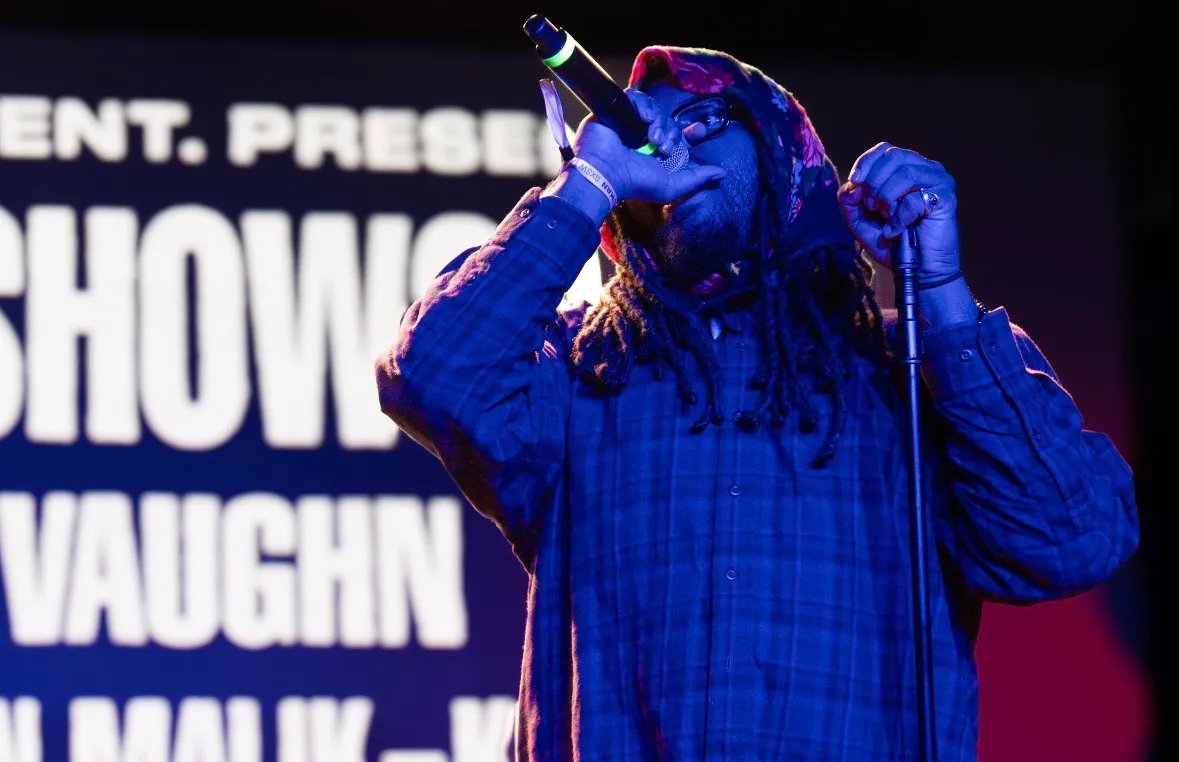
Ray Vaughn
The last performer on the bill was Long Beach rapper, Ray Vaughn. Out of all the artists from the showcase, Vaughn was the most established. Collaborating with Isaiah Rashad and Jay Rock on his mixtape, The Good The Bad The Dollar Menu, Vaughn proved himself a worthy lyricist with a focused sound.
Starting off his performance with a song like “XXXL Tee,” Vaughn displays a dynamic use of cadence and clever wordplay. Each line is helped by Vaughn’s physicality, utilizing numerous emotes within a song while contorting his face to express a range of emotions.
Vaughn proved himself to be incredibly charismatic and funny throughout his set. He would perform bits of stand-up comedy in between songs, allowing an opportunity for audience interaction.
My favorite song out of the set was “MILES AWAY from Heaven,” a ballad-like Hip-Hop song about depression and drug abuse. The vulnerability showcased with lines like “the hate feels so much better than the love / I only wanna see my daughters when I'm buzzed,” gave insight into the struggles Vaughn has faced and continually overcomes. Placing songs like this alongside energetic bangers like “LOOK @ GOD” allowed for a beautiful display of contrast that gripped the audience.
Ray Vaughn, in his current form, seems to be the next big player that can potentially help to define a new era for Top Dawg Entertainment’s sound.
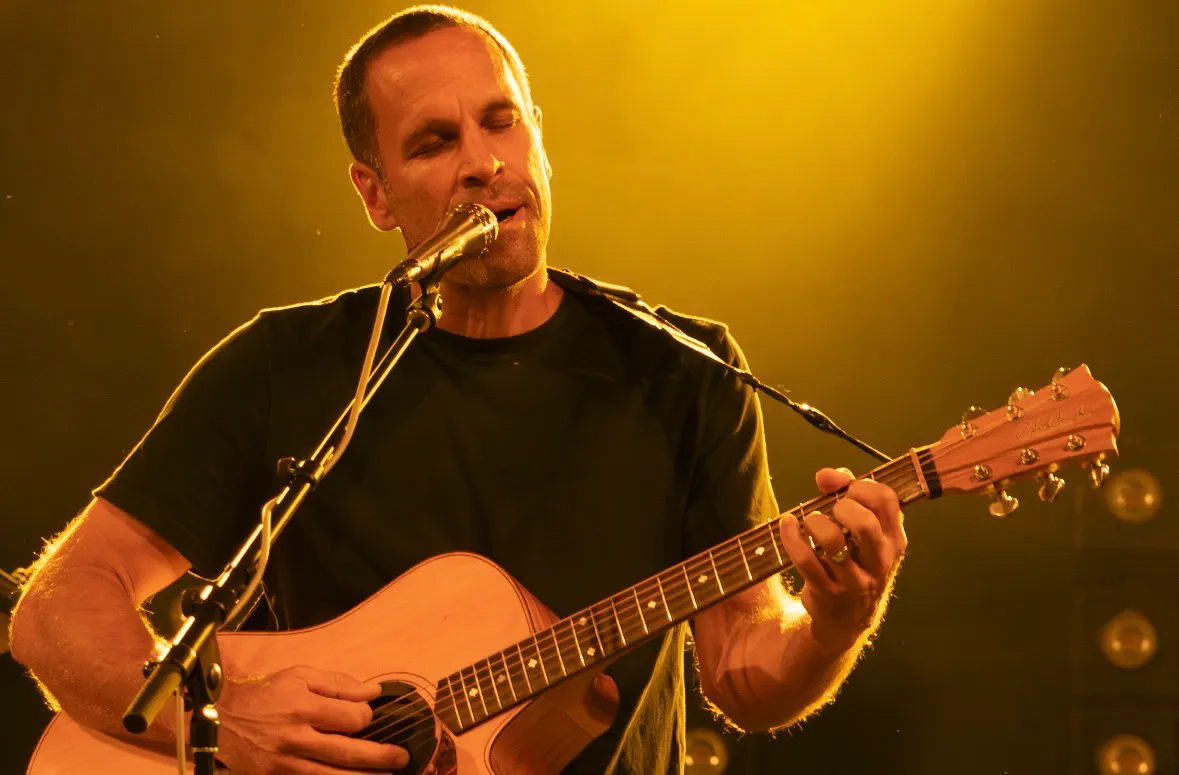
If you were anything like me, watching the Curious George film as a kid, you would know “Upside Down” by Jack Johnson is a staple in Gen Z’s childhood. The singer-songwriter made an appearance at this year’s SXSW as part of the promotion for his newest film, Jack Johnson: SURFILMUSIC.
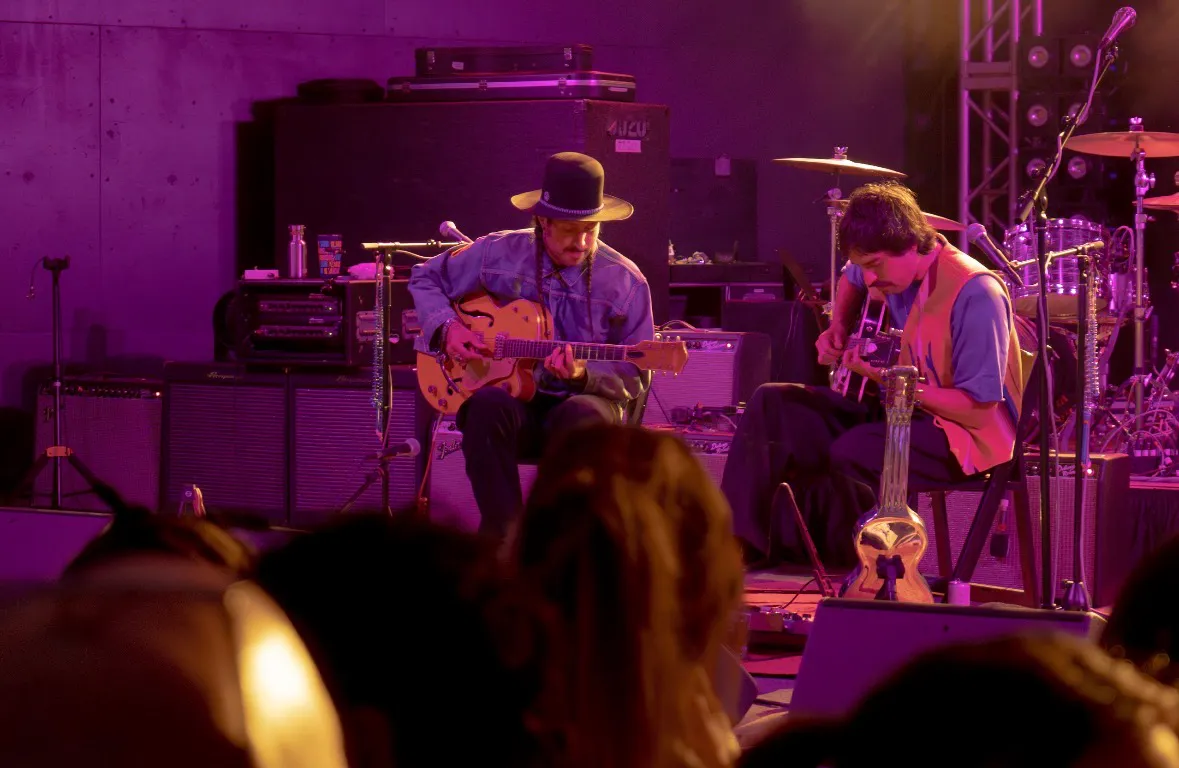
Performing at the Stubb’s Bar-B-Q in Austin, TX, Johnson performed a 24-song set. Opening for Johnson were Hermanos Gutiérrez. A duo made up of Ecuadorian-Swiss brothers, the pair performed instrumental guitar tracks. Much of the set consisted of the brothers playing intricate guitar passages as shades of blue, yellow, and purple light washed over them. Elements of psychedelia and latin were present as the guitars bathed in reverb and tremolo.
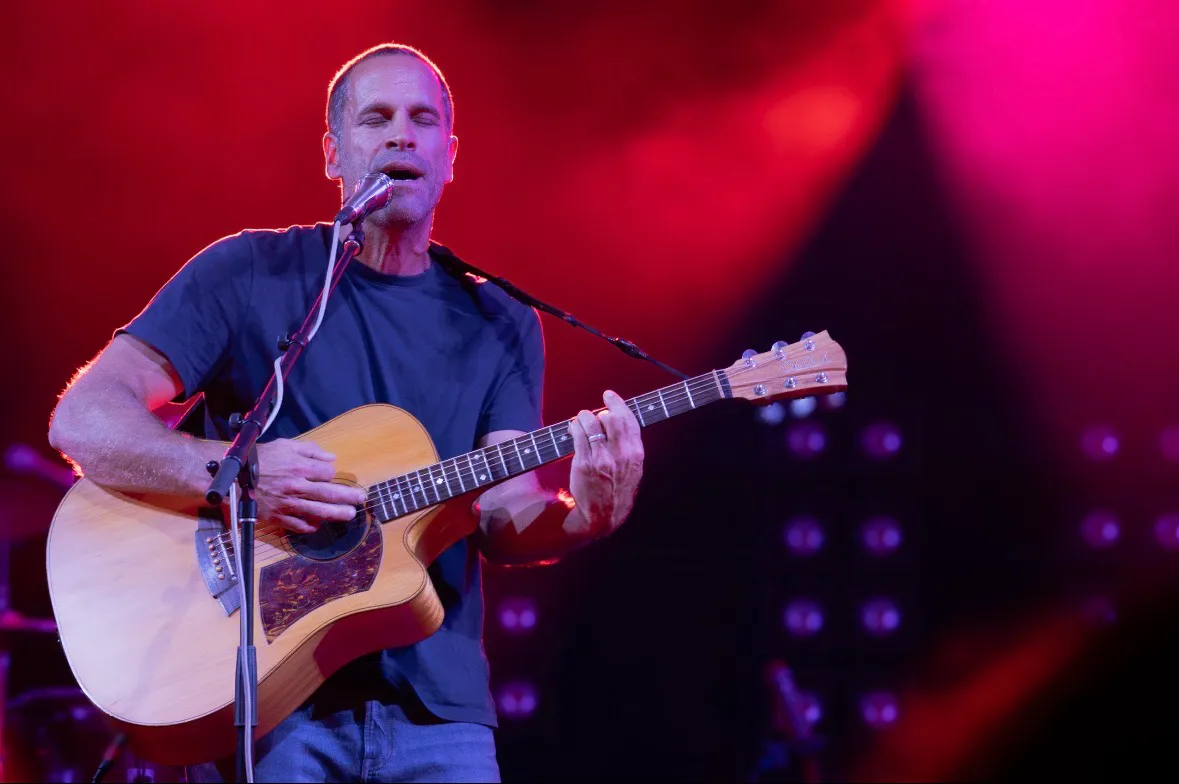
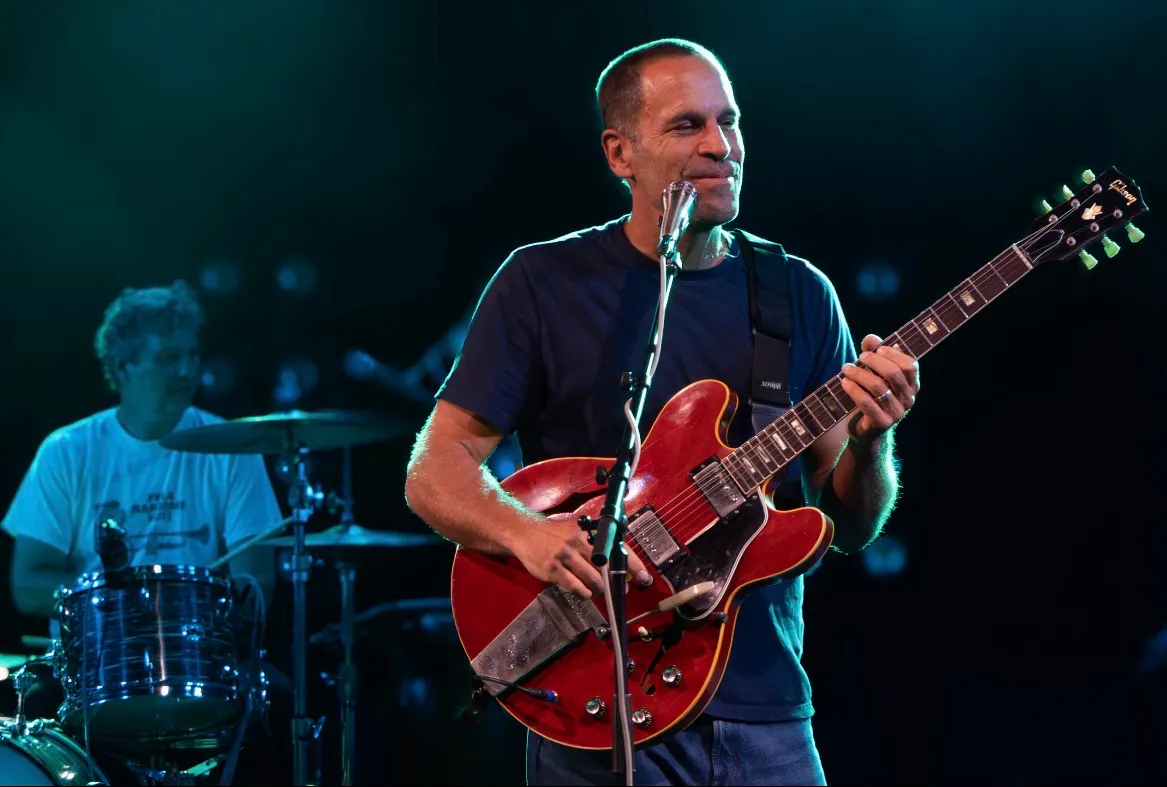
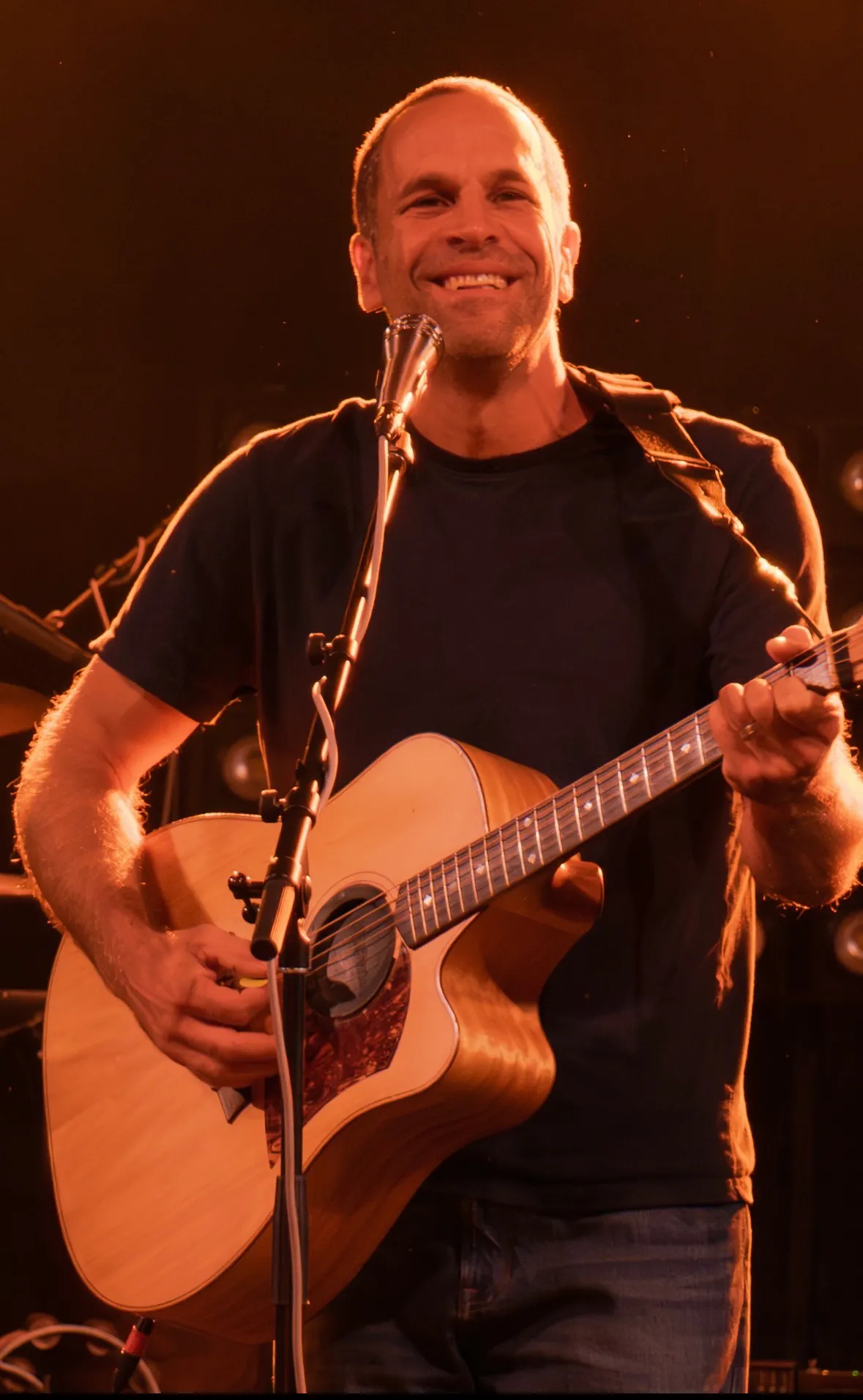
Once Hermanos Gutiérrez left the stage, the audience gave a warm welcome to Jack Johnson. Similar to his songs, the positivity and warmth emitting from Johnson could not be understated. With a calm and gentle demeanor, Johnson stepped up to the microphone and started off his set with “Mudfootball (For Moe Lerner).”The dynamic between Johnson and his backing band was effective with a simple arrangement of instruments that placed acoustic instrumentation at the center of the performance. I was impressed by Johnson’s vocals; they sounded exactly as they did on studio recordings 20+ years ago. Songs like “Banana Pancakes” and “Sitting, Waiting, Wishing” felt at home in a concert that displayed the communal aspects of a campfire. Hearing the crowd sing a multitude of songs back to Johnson felt intimate despite the size of the crowd.
Occasionally, the band would opt for more grandiose instrumentation on tracks like “Holes to Heaven,” featuring the likes of heavenly organs, while other songs would feature solos from an accordion and a melodica.
Johnson’s personality would shine through between songs, telling the audience stories behind the songs he was performing. Johnson recounted the story of how he crafted the chorus for “Inaudible Melodies.” Johnson cited a professor as the inspiration behind the lines “Slow down everyone / You're moving too fast / Frames can't catch you when / You're moving like that that” as he recalled the professor saying that “Every 24 frames is in one second of film… and Bruce Lee is too fast for the frames.” Another anecdote was the creation of “Tomorrow Morning,” originating from a voicemail he sent to his wife, then-girlfriend, that he transformed into a song on his debut album, On and On.
What made this performance unique to SXSW was Johnson’s break from his catalog. Johnson and his backing band performed a 15-minute improvised jam session to the visuals of his film, SURFILMUSIC, resulting in one of the most unique moments of any concert I’ve been to. Gazing up at the ceiling of Stubb’s outdoor venue, I and many in the crowd were entranced by the visuals of surfboards and extravagant waves.
Despite releasing his first album in 2003, Johnson’s songwriting remains timelessly compassionate as he continues to build community through his messages of love and kindness. People of all ages attended the show; the most diverse crowd in terms of generations, with Gen Z shoulder-to-shoulder with boomers and everything in between. Johnson is a reminder that in 2026, “we got everything we need right here
Former Black Midi frontman, Geordie Greep, joined this year’s SXSW music lineup as part of the program organized by the British Music Embassy. Joined by UK jazz collective Knats, Greep delivered organized chaos in its purest form.
Playing songs from his 2024 album, The New Sound, Greep achieved kaleidoscopic soundscapes through unique genre fusions, eccentric vocals, and an unpredictable wall of sound.
The latin influence of a song like “Terra” contrasts the paranoia-ridden soundscapes of “Blues.” On each song, Greep sounds like a madman on the microphone. Greep’s eccentric vocal delivery walks a fine line between spoken-word and unhinged yelping. This performance style helps to enhance the intensity of lyrics like “Have you ever seen a man boiled alive?” on “Through a War.”
I was incredibly impressed by the musicianship of the backing band. Knats expands upon the soundscapes of Greep’s studio recordings with incredible energy. An assortment of trumpet, bass, keys, and drums helped to bring to life the frenetic nature of every song. Greep was feverishly shredding away on the guitar. I have seen few guitarists with as much dexterity as Greep resulting in some of the best guitar playing I’ve ever seen.
Seeing Geordie Greep live is the sonic embodiment of a psychedelic trip fueled by Jazz-influenced Rock. As each song played, I found the instrumentation was pulsing through my veins as each instrument took on a singing voice of its own. Nothing can quite prepare you for what you are about to experience if you choose to see Greep live.
LA based alternative indie pop band Inner Wave exploded onto the stage at White Oak Music Hall with “Child”, the third song off their fifth studio album SEE YOU WHEN I GET BACK. Their newest work doesn’t stop at music—lead singer Pablo Sotelo stated that SYWIGB is “more of an interconnected project”, including a book and film documenting the process of album recording and previous tour adventures. Off the bat, their stage presence and addictive guitar riffs entranced me and my fellow ktruvian and station manager, Chloe Diehl. Their music feels like The Strokes meeting Tame Impala halfway with a touch of Magdalena Bay. I was pleasantly surprised at how full and multi dimensional their music sounded in person. In the studio recordings, some of the songs on SYWIGB can feel a bit flat, which was slightly discouraging leading up to the actual concert. But experiencing their music live allowed me to appreciate each element of their music individually, from the bass to the synths to the semi monotonous lull of Sotelo’s voice.
Opening for Inner Wave was Twin Seas, an east LA based indie pop band that complemented Inner Wave’s sound very well, playing with a variety of synths and guitar riffs that supplemented the rich voice of the lead singer, Eduardo Bueno. There was a last minute swap in the tour, as Los Mesoneros were the original openers. I enjoyed the beachy, summery, and laid back feeling that Twin Seas brought to the stage, particularly by “Surf Wave”—a 2016 single that highlights the ephemeral nature of life in youth. Twin Seas’ short but cohesive set warmed us up well for the psychedelic indie rock performed by Inner Wave.
Having received a photo pass, I had the pleasure of experiencing “ONE IN A MILLION” from the photo pit, which had a hypnotic and funky energy about it that doesn’t necessarily feel present in the studio version. It was followed by “Rose”, a 2019 single that brought a dynamic intensity to the downstairs stage at White Oak. Having to go back to the crowd after the first three songs was frankly pretty sad after being able to shoot the members of Inner Wave up close in action, but experiencing the show from the crowd was lovely in itself. I really appreciated how the Inner Wave crowd was calm and swaying gently to the music, as it made the venue easier to navigate when I was shooting. However, I kind of wished the crowd brought more energy, especially during more vibrant moments in the set, such as “IF YOU LIKE”, which reflects the 1970s low-budget horror and grindhouse cinema theme in their film. I appreciated the crowd engagement that Sotelo displayed—reflecting on the band’s previous trips to Houston and how the venue, White Oak Music Hall, holds a sweet place in their heart after they performed on the same exact stage in February 2022 for the Apoptosis tour. In between songs, several people shouted out “Take your shirt off!”, to Sotelo, who was rocking a cropped camo print tee. To these cries he teasingly replied, “Would you want us to get fully naked? I think that’s a crime, no?”
While the focus of the set was songs from SYWIGB, it was interspersed with some throwback songs like “Oof”, originating from their EP wya. For some other artists, changing between different musical eras can feel very jarring, but Inner Wave did this well without compromising their sound and the uniqueness of it between different pieces of work. After a stellar performance of “Estrella”, the band went behind the curtain, prompting the crowd to scream “One more song!” They reentered the stage once again for “Take 3”, an entrancing and hauntingly beautiful single from 2021. They closed out their set with their most famous song (and the one that I suspect many fans were there to hear), “American Spirits”. A concertgoer next to me cried out right before the encore: “PLAY AMERICAN SPIRITS!! I GOT WORK TOMORROW!”
While the sound and vision of Inner Wave has evolved considerably over the years since III came out, I still think that their music and work is still cohesive as a whole and occupies a unique niche within indie pop/rock. I hope to see them continue progressing artistically and can’t wait to see them perform at WOMH again!
 nd more like a shared experience between the band and its fans.
 Now to give this a rating out of five, Letterboxd Style!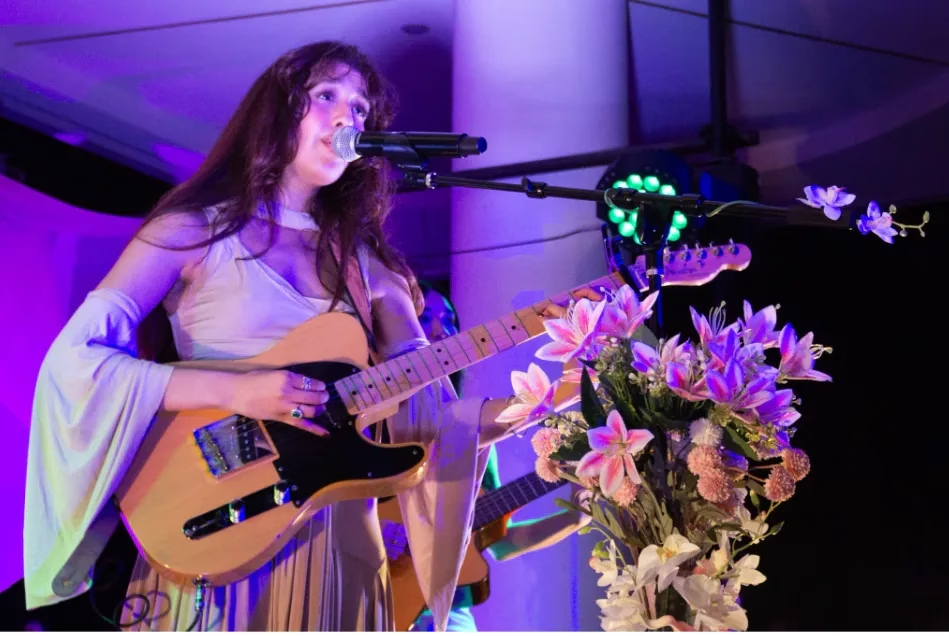
 The stage design fully leaned into the dreamy aesthetic that defines Raveena’s music, an intoxicating blend of R&B and soul with soaring Bollywood ballads. Throughout the night, she practically floated among the draped tulle and cascading garlands. The set created a soft, almost bridal atmosphere. Designed by visual arts students at Rice University, the details were deliberate: a microphone stand wrapped in pink lily-like flowers, and a plastic lawn chair similarly festooned with white blooms on an elevated platform behind the band.
  may be space for two in that royal court. Halfway through the song “
 During “